

Recently, in our communications with numerous export-oriented brand clients, we frequently hear a common anxiety: As regions like Taiwan and Australia gradually tighten or even completely ban degradable materials like PLA and PBAT, the once-familiar eco-friendly packaging solutions seem to have hit a dead end. The policy winds are clear-relying solely on yesterday's environmental materials to navigate today's increasingly strict global compliance reviews is no longer a viable strategy.
In this critical window of material transition, PBS is rapidly entering the mainstream vision of flexible plastic food packaging due to its outstanding comprehensive performance. It not only solves the pain points of regulatory compliance but also demonstrates irreplaceable advantages in actual industrial applications.


The True Performance of PBS in Flexible Composite Packaging
Theoretical degradation data is one thing; whether a material can run smoothly on a high-speed production line and genuinely protect the food's flavor is entirely another. From our actual production experience, the biggest surprise PBS offers lies in its easy processability and excellent thermodynamic properties.
Many industry peers familiar with production lines know perfectly well that when handling relatively complex pouch structures, the physical limits of materials are often amplified. For example, when manufacturing premium flat-bottom (eight-side seal) pouches that demand high load-bearing and display capabilities, the design of the bottom knife contour is extremely meticulous. This places highly rigorous demands on the folding flexibility and heat-seal strength of the film. If the material is too brittle or the heat-sealing window is too narrow, it easily leads to bag bursting or poor sealing.
PBS, however, possesses excellent heat resistance and superb tensile stress at break. It provides highly stable heat-seal layer support within the composite film structure, perfectly matching the complex forming needs of these specialized bottom seals.
Furthermore, as we move into the mass production phase, PBS exhibits a fast crystallization rate. This means it can effectively shorten the molding cycle during film blowing or cast extrusion, making it far less prone to sticking to the rollers. This stable processing performance not only reduces the loss rate during production but also gives food companies solid confidence when fulfilling large-scale orders.
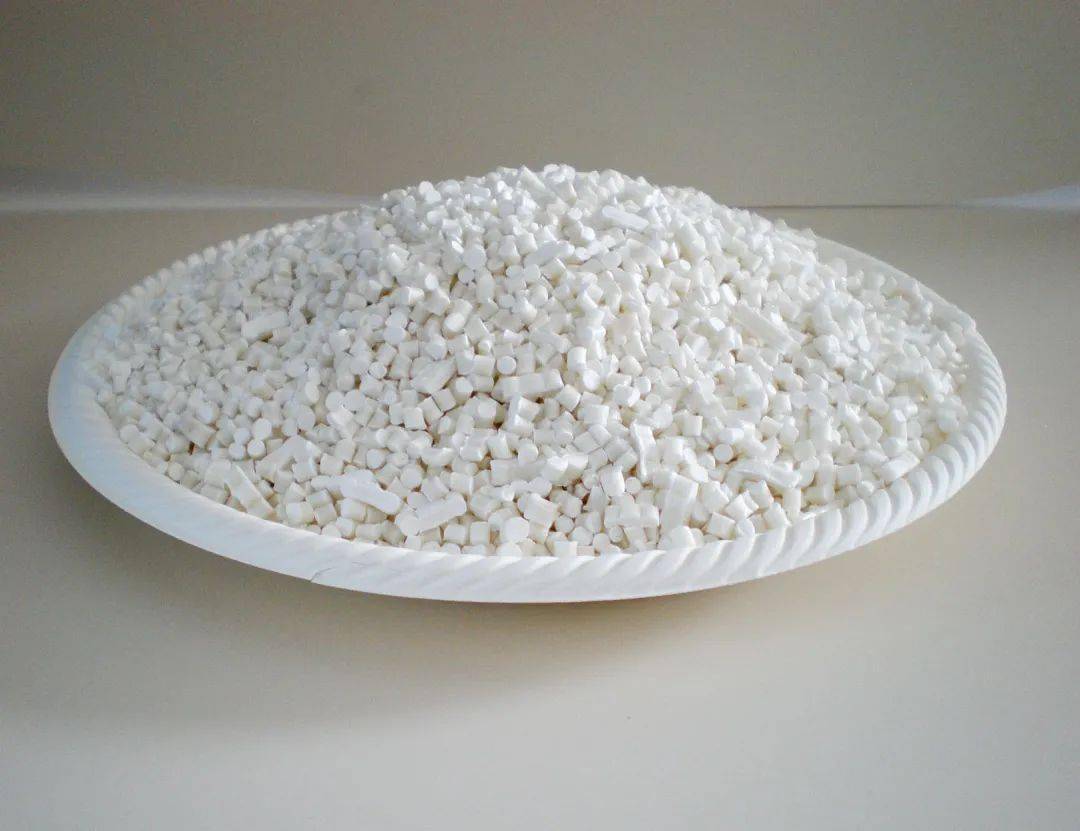

How Material Concepts Match Commercial Needs
Transforming a superior material into a successful commercial package relies heavily on mature process conversion capabilities. While PBS boasts excellent baseline performance, through scientific formula blending or multi-layer co-extrusion technology, its oxygen and water vapor barrier capabilities can be further enhanced, thereby precisely matching the specific shelf-life requirements of different foods.
During this conversion process, Lepu is always dedicated to providing clients with the most practical and effective solutions. We not only closely track the latest dynamics in global environmental regulations to ensure your packaging remains compliant, but we also rely on our robust supply chain and advanced production equipment to offer in-depth customization services-from material structural design and visual presentation to the final finished product.
Whether you require small-batch prototyping to test new material packaging or are seeking highly efficient, stable, and large-scale mass production, Lepu's engineering team leverages rich flexible packaging manufacturing experience to help you overcome technical barriers. We ensure that your products hit global shelves in the most eco-friendly and reliable state, all while strictly controlling costs.
The current reshuffling period of eco-friendly packaging is both a challenge and a golden opportunity to seize market advantage.


welcome to consult
If you are looking for compliant alternatives to PLA/PBAT or wish to evaluate the application potential of PBS materials in your existing product lines, feel free to contact our technical team anytime. We would be delighted to provide you with detailed material testing data and customized industry case studies.
FAQ
Q: What sizes of bags can you produce?
A: Our production line covers a wide range of sizes, from 5 cm × 5 cm to 100 cm-wide heavy-duty packaging. The specific configuration can be tailored according to your product volume and filling requirements.
Q: Which printing processes are supported? How many colors can be printed?
A: We use gravure printing and digital printing, supporting high-definition color registration for 1 to 10 colors. Additionally, we offer specialized surface treatments such as matte, glossy, gold stamping, and UV finishing.
Q: Is your packaging bag food-grade? Does it have the necessary testing and certification?
A: Yes, all our food packaging bags are manufactured using food-grade materials and eco-friendly inks free from benzene and ketones. Our production facility meets Class 100,000 cleanliness standards and holds authoritative certifications including those issued by SGS.
Q: What is your minimum order quantity (MOQ)?
A: The minimum order quantity for traditional gravure printing is typically 10,000 units, depending primarily on bag size. For initial trial runs or small batches with multiple SKUs, we also offer digital printing services with orders as low as 500 units.