

This shift is particularly evident in the flexible packaging industry. Traditional laminated packaging bags generally combine several different materials to achieve the desired barrier protection, mechanical strength, tear resistance, and heat-sealing performance. However, when multiple materials are combined, some recycling facilities may find it difficult to process these packages. As a result, sustainable flexible packaging is increasingly focused on compostable materials, recyclable mono-material structures, high-barrier recyclable solutions, and lightweight packaging design.
There is no single "best" material for every application. The right packaging solution needs to balance sustainability goals with product protection, processing performance, shelf life, and target market requirements. LepuPouch is committed to providing brands with customized flexible packaging solutions that combine environmental responsibility, packaging performance, and practical application results according to different product and application requirements.
Why Is Sustainable Packaging Becoming More Important?
Traditional flexible packaging commonly combines materials such as PET, aluminum foil, and PE.
PET provides good mechanical strength, stiffness, and printability. Aluminum foil offers excellent barrier performance and light protection, while PE is commonly used as the heat-sealing layer. By combining different materials, manufacturers can achieve the performance standards required for demanding packaging applications. These structures remain highly practical for products such as coffee, tea, and nuts, which are particularly sensitive to oxygen, moisture, and light.
However, as greater attention is being paid to the recycling of plastic flexible packaging and resource efficiency, multi-material structures face additional challenges. Different materials can be difficult to separate, which may affect their compatibility with certain recycling systems.
As a result, the market is showing growing interest in mono-material packaging. These packages use materials from the same polymer family to create the structure, improving compatibility with recycling systems while maintaining the required packaging performance.
Recyclable Flexible Packaging and Mono-Material Structures
Recyclable packaging is an important direction in sustainable flexible packaging.
For flexible packaging, PE is an important material platform for developing recyclable structures. Different PE-based films can be combined to improve mechanical performance, stiffness, and processing characteristics while maintaining a PE-based material system.
MDOPE/BOPE/PE
MDOPE/BOPE/PE is a PE-based recyclable flexible packaging structure.
MDOPE, or Machine Direction Oriented PE, uses controlled orientation in the machine direction to improve film performance. Compared with conventional PE film, MDOPE can provide improved stiffness, tensile strength, and dimensional stability.
BOPE, or Biaxially Oriented PE, is oriented in both directions to improve mechanical performance and dimensional stability. In flexible packaging applications, it can be combined with a PE heat-sealing layer for applications that require good strength, stiffness, and printability.
By combining MDOPE, BOPE, and PE, this structure can balance mechanical strength, stiffness, dimensional stability, processing performance, and heat-sealing performance while maintaining a PE-based material system.
Depending on the product and packaging requirements, MDOPE/BOPE/PE can be considered for coffee, tea, snacks, nuts, pet food, and other flexible packaging applications.
The final structure and thickness should be determined based on product characteristics, package dimensions, filling processes, barrier requirements, and the recycling requirements of the target market.
At the same time, compostable materials offer another solution for specific applications where the material, product requirements, and end-of-life management system are properly aligned.

Compostable Packaging Materials
For brands seeking to reduce their reliance on conventional plastics, compostable packaging is one option being explored. Common materials include PLA and PBAT, which can be used in selected food, coffee, and flexible packaging applications.
It is important to understand that "compostable" does not necessarily mean that packaging will break down quickly in the natural environment. Many compostable materials are designed to decompose under specific conditions, such as those provided by industrial composting facilities. Therefore, when selecting compostable packaging, brands should consider relevant certification requirements, local regulations, and whether suitable composting infrastructure is available in the target market. If appropriate composting facilities are not available locally, the practical environmental benefits of compostable packaging may be limited.
Compostable packaging is therefore best suited to applications where the material, product requirements, and end-of-life waste management system are properly aligned.
LepuPouch Product
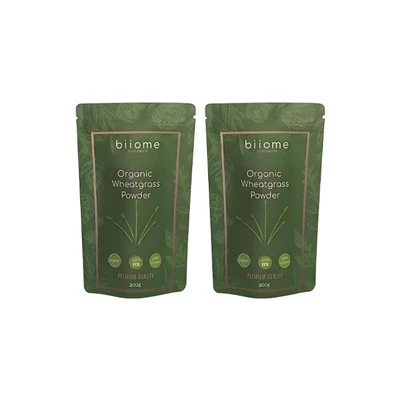


Barrier Performance Still Matters
Sustainability should never come at the expense of product protection.
If packaging does not provide sufficient protection against oxygen and moisture, products may oxidize, absorb moisture, lose flavor, or deteriorate prematurely. Food waste caused by inadequate packaging performance may also undermine some of the environmental benefits of using alternative materials.
For this reason, barrier performance remains a key consideration in sustainable flexible packaging.
Important factors include:
- OTR (Oxygen Transmission Rate)
- WVTR (Water Vapor Transmission Rate)
- Light protection
- Heat-sealing performance
- Puncture resistance
- Tensile strength
- Seal strength
- Processing stability
Coffee packaging, for example, typically requires protection against oxygen, moisture, and light. Tea packaging needs to maintain a dry environment and help prevent external odors from affecting the product. Nut packaging may require both strong barrier performance and good mechanical strength.
The right eco-friendly packaging material should therefore be selected based on the actual requirements of the product, rather than simply by asking which material is the "most sustainable."
Lightweight Packaging: A Sustainability Strategy
Changing the material structure is not the only way to improve packaging sustainability. Lightweight packaging is another practical approach to reducing material consumption.
Lightweighting does not simply mean making the film thinner. It involves optimizing package dimensions, material thickness, bag structure, and sealing areas to reduce unnecessary material use while maintaining the required packaging performance.
For example, coffee bags, snack pouches, nut packaging, and pet food bags can be designed according to the actual product weight, filling processes, and transportation requirements. Optimizing the bag width, height, bottom structure, and sealing areas can help reduce material consumption without compromising functionality.
From this perspective, reducing material use is itself an important part of sustainable packaging design.
Compostable or Recyclable: Which Is the Better Choice?
There is no universal answer as to whether compostable or recyclable packaging is better.
The right choice depends on product characteristics, the target market, packaging performance requirements, and local waste management infrastructure.
If the target market has established industrial composting facilities and the product is suitable for compostable packaging, compostable packaging can be a practical option.
If the target market has a mature plastic recycling system, recyclable flexible packaging, particularly mono-material structures, may be more suitable.
Before selecting a sustainable packaging solution, brands should consider the following factors:
- Product characteristics
- Barrier requirements
- Required shelf life
- Filling and packaging equipment
- Package size and format
- Target market regulations
- Recycling or composting infrastructure
- Opportunities to reduce material consumption
Conclusion
From PE-based recyclable structures such as MDOPE/BOPE/PE to compostable materials such as PLA and PBAT, sustainable flexible packaging is developing in multiple directions.
For brands packaging coffee, tea, snacks, nuts, and pet food, the goal should not simply be to find the "most sustainable" material. Instead, brands should choose a solution that balances product protection, barrier performance, processing efficiency, material consumption, and end-of-life management.
Ultimately, truly eco-friendly packaging is not simply about replacing one material with another. It is about developing a packaging structure that delivers the required performance while making more responsible use of materials and resources. With in-depth expertise in material applications, packaging structures, and customized requirements, LepuPouch is committed to providing brands with flexible packaging solutions that combine practical performance with sustainable value.