

Implementing Circular Economy Principles in Flexible Packaging Design

A few years ago, most conversations around packaging were mainly about cost, shelf life, and transportation efficiency. Sustainability was part of the discussion, but usually not the deciding factor. That has changed pretty quickly.
Now, more brands are being asked what happens to their packaging after consumers throw it away. Retailers are asking questions too, and in some industries, regulations are starting to move faster than companies expected. Because of that, circular economy principles are becoming harder to ignore, especially in flexible packaging.
How to apply the principles of circular economy to plastic packaging
The basic idea sounds simple enough: keep materials in circulation longer and reduce unnecessary waste. In reality, though, packaging systems are complicated. A pouch that protects food well may not be easy to recycle. A thinner film might reduce material use but create performance issues somewhere else. Companies are often balancing sustainability goals against cost, durability, production speed, and supply chain limitations all at the same time.
Plastic packaging sits right in the middle of this discussion. It remains useful for a lot of applications because it is lightweight, durable, and relatively inexpensive. The problem is that much of it was never designed with recovery or reuse in mind. Once used, a large portion still ends up as waste.
That is why more manufacturers have started looking at small but practical changes instead of treating sustainability as an all-or-nothing transition. In some cases, it means reducing unnecessary layers in a package structure. In others, it means switching to recyclable mono-material films or incorporating post-consumer recycled content where regulations allow it.
Some companies have also tried compostable or paper-based alternatives, although those options are not always as straightforward as they appear in marketing materials. Compostable packaging, for example, only works effectively if the right disposal infrastructure exists. Otherwise, the environmental benefit becomes less clear.


Another issue that does not get discussed enough is recycling infrastructure itself. Even packaging designed to be recyclable may still fail to enter an actual recycling stream depending on local collection systems. That disconnect frustrates many businesses because design improvements alone do not solve the entire problem.

There are business reasons for making these changes too. Reducing excess material can lower shipping weight and sometimes improve production efficiency. Brands are also aware that consumers have become more skeptical of vague sustainability claims. People increasingly want specifics - not just labels saying something is "eco-friendly."
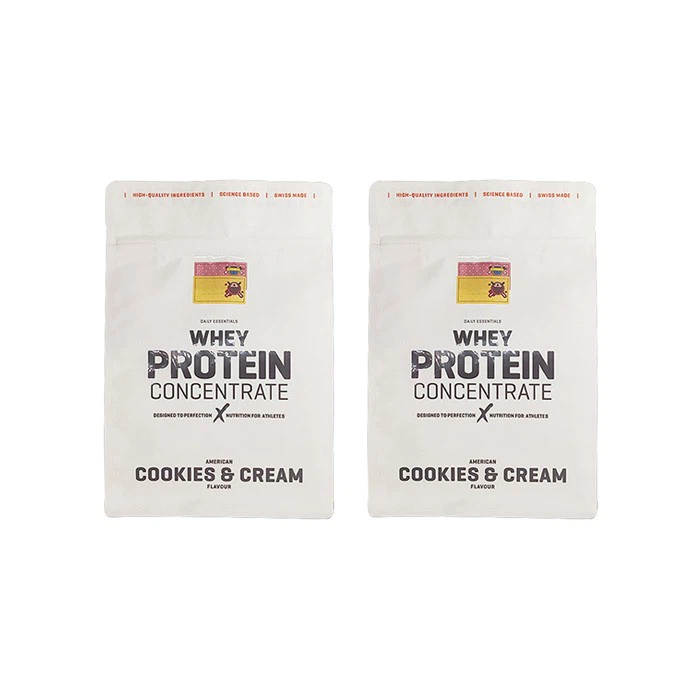
At the same time, most companies are still figuring things out as they go. There is no perfect packaging format yet, and what works for one product category may not work for another. A lot of progress in flexible packaging is happening incrementally rather than through dramatic overnight changes.

Conclusion
At LEPU packing, we have seen more customers asking practical questions rather than broad sustainability questions. They want to know whether a pouch can be downgauged without affecting performance, whether recyclable films are suitable for their product, or how sizing adjustments might reduce material waste. In many cases, those smaller decisions end up making a meaningful difference over time.
FAQ
Q: 1. How long does it take to produce the bags?
A: Digital printing: 7-10 days
Gravure printing: 15-20 days
Q: 2. How long does shipping take?
A: The transportation methods we use include express delivery, sea transportation, air transportation, etc. Different transportation methods have different time requirements, generally it takes 7-30 days.
Q: 3. Can samples be provided?
A: We can provide existing samples or customized samples for easy confirmation of materials and effects.
Q: 4. Which products are suitable?
A: Suitable for:
Spice powder, seasoning
Dried goods (chili peppers, Sichuan peppercorns, herbs, etc.)
Food ingredient products