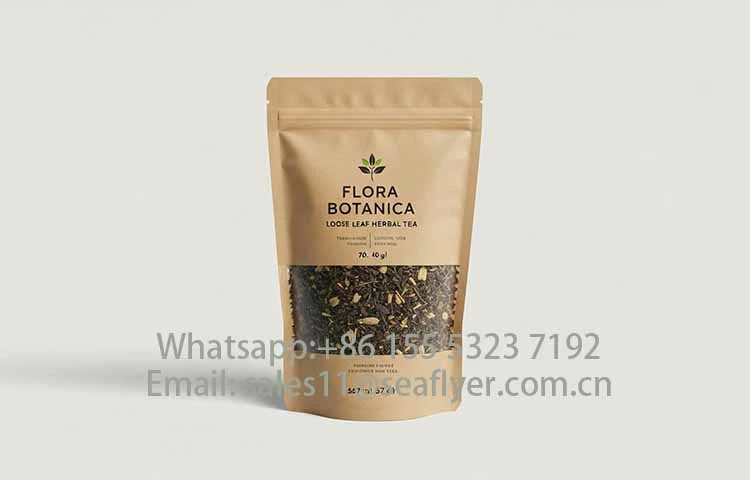
As consumers become more environmentally conscious, tea brands are rethinking how their products are packaged. Traditional plastic pouches have long been used to protect tea from moisture, oxygen, light, and external odors. However, growing interest in sustainable packaging is encouraging brands to explore alternatives with a lower environmental impact.
One option gaining attention is compostable tea packaging.
From independent tea brands to established tea retailers, businesses are exploring compostable materials as part of their sustainability strategies. But switching from conventional plastic to compostable packaging involves more than choosing a material with an eco-friendly label. Tea packaging must still protect freshness, preserve aroma, provide convenient storage, and meet relevant compostability requirements.
In this guide, we explain why compostable tea pouches are attracting attention in 2026, what materials and performance factors tea brands should consider, and how to choose a suitable packaging solution.
Why Tea Brands Are Exploring Compostable Packaging in 2026
Sustainability has become an increasingly important consideration in packaging decisions. Consumers are paying more attention to packaging waste, material composition, and disposal instructions.
For tea brands, packaging is also part of the overall product experience. A carefully designed pouch can communicate product quality and brand values before the customer even opens it.
Several factors are encouraging tea businesses to explore compostable packaging:
Growing consumer interest in sustainable products
Many consumers prefer brands that demonstrate practical environmental responsibility. Packaging made from certified compostable materials may help tea brands communicate their sustainability commitments, provided the claims are accurate and supported by evidence.
More attention to packaging regulations
Packaging regulations are evolving in several markets. In the European Union, the Packaging and Packaging Waste Regulation (PPWR) introduces specific compostability requirements for certain packaging formats, including permeable tea bags intended to be disposed of together with their contents. These requirements are scheduled to apply from February 12, 2028.
Importantly, this does not mean that every outer tea pouch must be compostable. Brands should distinguish between tea bags that are brewed and disposed of with the tea leaves and the external pouch used to protect and sell the product.
Brand differentiation
For specialty tea brands, organic tea businesses, and premium herbal tea companies, packaging is an opportunity to communicate product positioning. Compostable packaging may support a sustainability-focused brand identity when the material, certification, and disposal route are appropriate.
What Is Compostable Tea Packaging?
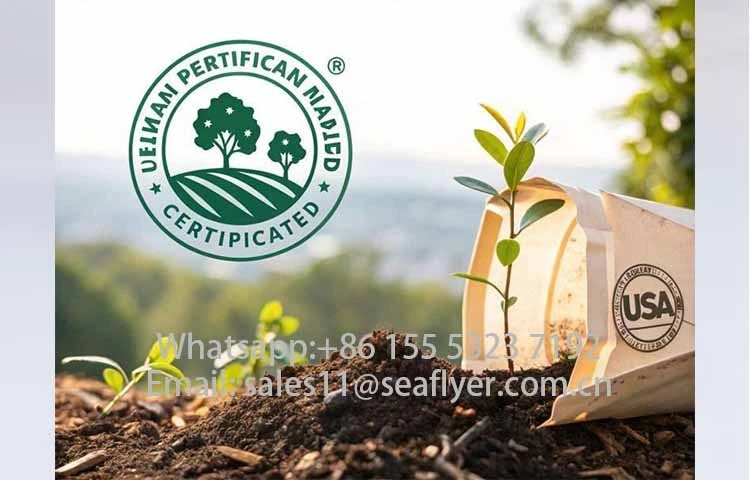
Compostable tea packaging is packaging designed to break down under specified composting conditions and meet defined requirements for compostability.
However, the terms biodegradable and compostable are not interchangeable.
Biodegradable: A material can be broken down by microorganisms under certain environmental conditions. The time and conditions required may vary.
Compostable: A material is designed to biodegrade under specified composting conditions and meet applicable requirements for the composting process and resulting compost.
Home compostable: A material is certified or assessed for composting under suitable home-composting conditions.
Industrially compostable: A material is designed for controlled composting facilities with managed temperature, humidity, and other conditions.
A package suitable for industrial composting should not automatically be described as home compostable.
For tea brands, it is important to check the exact certification, applicable standard, and disposal instructions before making environmental claims.
3.Common Materials Used in Compostable Tea Packaging
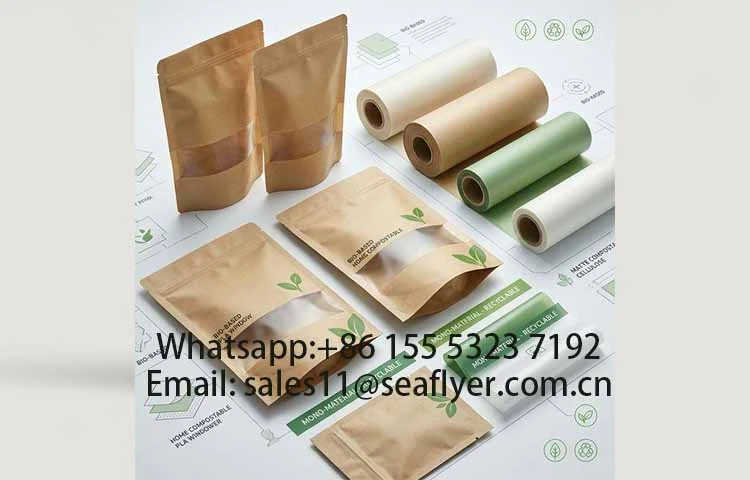
The right material depends on the type of tea, packaging format, required shelf life, and available composting infrastructure.
Some material categories that may be considered include:
PLA (Polylactic Acid)
PLA is a bio-based polymer commonly associated with compostable packaging applications. It can be used in certain films and packaging structures, depending on the grade and processing requirements.
However, PLA-based materials are not automatically suitable for every tea pouch. Their barrier performance, sealing behavior, and compostability certification must be evaluated for the intended application.
Cellulose-Based Films
Cellulose films are derived from plant-based sources and are used in selected flexible packaging applications.
Depending on the coating and treatment, they may offer transparency and useful packaging properties. However, not every cellulose film is compostable, and the complete packaging structure must be checked.
Paper-Based Materials
Paper can provide a natural appearance that works well for herbal tea, organic tea, and premium specialty tea products.
For applications requiring stronger protection against moisture and oxygen, paper may need additional functional layers or coatings. These components must also be considered when evaluating the compostability of the finished package.
Compostable Laminated Structures
Some packaging applications use combinations of compostable films to achieve a balance between appearance, sealing performance, and product protection.
However, combining multiple materials does not automatically make a pouch compostable. Every layer, adhesive, coating, printing ink, and packaging component must be considered as part of the complete structure.
What Performance Should Tea Brands Consider?
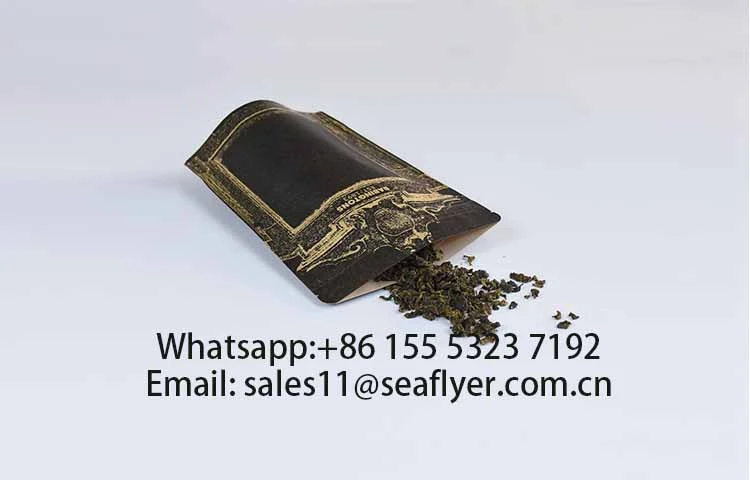
A sustainable tea pouch still needs to perform its primary function: protecting the product.
Tea can be sensitive to moisture, oxygen, light, and external odors. Poor packaging may affect its aroma, flavor, and overall quality during storage.
Before selecting a compostable material, tea brands should evaluate several factors.
Moisture Barrier
Tea products can absorb moisture from the surrounding environment. Suitable moisture protection helps maintain product quality during storage and distribution.
Oxygen Barrier
Exposure to oxygen may contribute to the deterioration of certain tea components and affect aroma over time. The required oxygen barrier depends on the tea type and intended shelf life.
Light Protection
Some tea products benefit from protection against light exposure. Brands should consider whether an opaque structure or another protective solution is needed.
Heat-Sealing Performance
The packaging material must form reliable seals to help prevent leakage and protect the tea during transportation and storage.
The final material selection should be based on product-specific testing rather than assuming that every compostable film provides the same performance as conventional multilayer plastic packaging.
5. Compostable Tea Pouches vs. Traditional Plastic Pouches
Both compostable and conventional plastic pouches can serve tea packaging applications, but they have different material characteristics and end-of-life considerations.
There is no single solution that is best for every tea product.
For brands prioritizing compostability, a certified compostable structure may be worth evaluating. For products requiring demanding barrier performance or longer storage periods, conventional or recyclable packaging may also need to be considered.
The most suitable option is the one that balances product protection, environmental requirements, packaging performance, and local waste-management infrastructure.
6. How to Choose the Right Compostable Tea Pouch
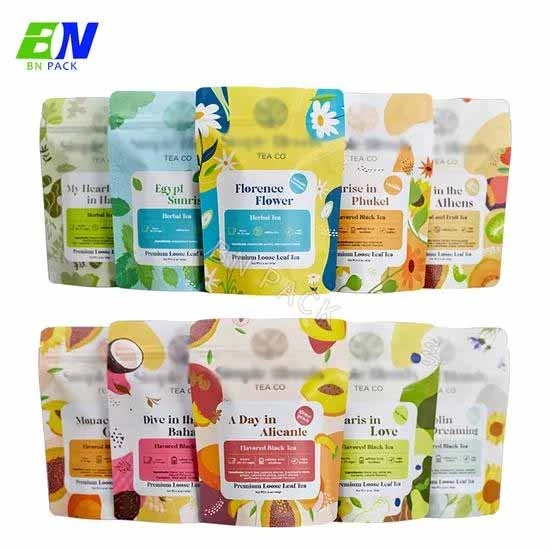
Before requesting a quotation, tea brands should clarify several details.
1. Identify the tea product
Different tea products may have different packaging requirements. Loose-leaf tea, herbal tea, tea powder, and tea bags should not automatically use the same packaging structure.
2. Confirm the required shelf life
The expected storage period and conditions help determine the barrier performance required from the packaging.
3. Define the compostability requirement
Does the product need industrial compostability or home compostability? Is there a specific certification or standard required in the destination market?
4. Select the pouch style
Common tea packaging formats include:
The choice depends on the product quantity, shelf presentation, filling method, and packaging design.
5. Evaluate the complete packaging structure
Do not assess only the main film. Printing inks, adhesives, coatings, zippers, valves, and other components may affect whether the finished package meets the required compostability criteria.
7. Custom Compostable Tea Packaging for Your Brand
Choosing compostable packaging is not simply about replacing one plastic film with another. It requires a complete evaluation of material composition, barrier performance, sealing properties, printing requirements, and end-of-life conditions.
At LepuPouch, we work with brands looking for customized flexible packaging solutions for food and beverage products.
If your tea business is exploring compostable packaging, our team can discuss your product requirements, target market, pouch dimensions, and desired packaging format to help identify a suitable direction for further evaluation.
Looking for compostable tea packaging for your next product launch?
Contact our team to discuss your packaging requirements and explore suitable material options for your tea brand.
Frequently Asked Questions