

U.S. flexible packaging sales reached \$42.6 billion in 2024, up 2.9% from \$41.4 billion in 2023 (FPA, 2026). Buyers of printed packaging bags in North America and maiseliu gamyba buyers in Europe share one goal. Knowing the bag making process protects your budget from factory defects. Many buyers order custom pouches without checking how films, inks, and seals work together. One wrong film layer or rushed curing step can cause leaks in transit. In this six-step guide, LepuPouch explains each stage so you can buy custom pouches with confidence.
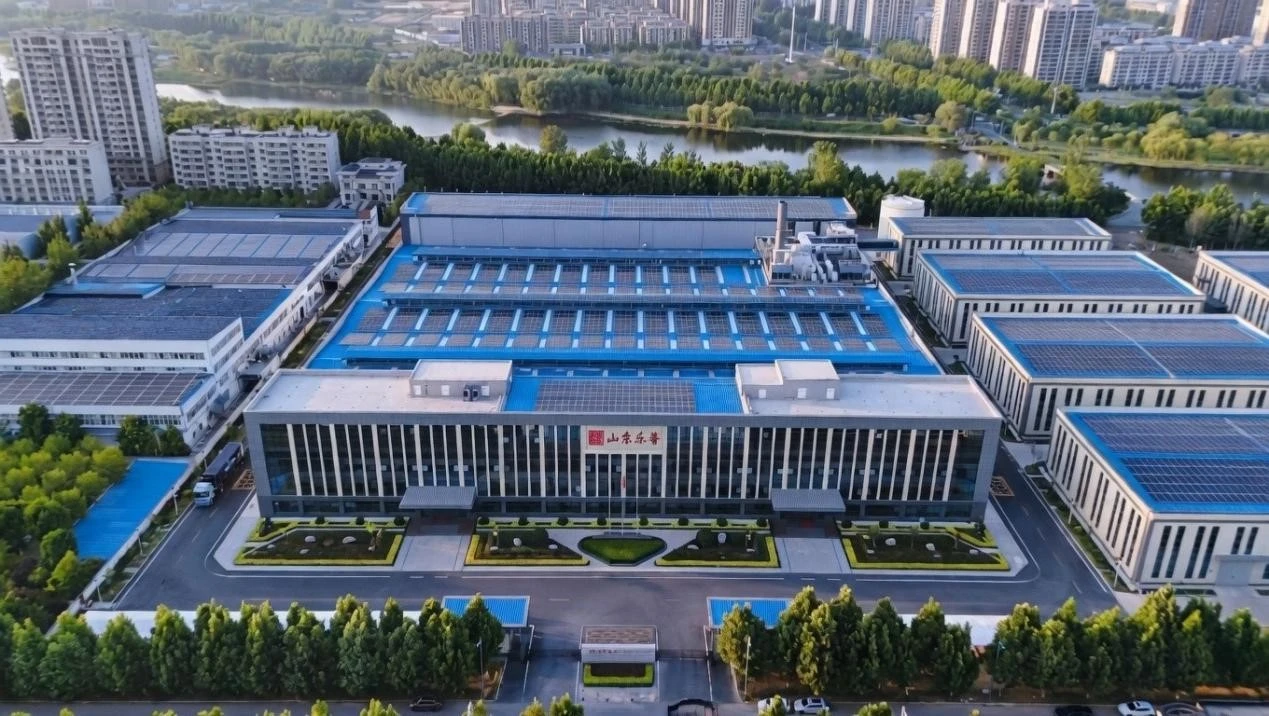
LepuPouch factory and manufacturing facility shown on the LepuPouch website.
Review these five key points before exploring each stage below:
Key Takeaways.
- Six connected stages: Making printed packaging bags covers film choice, prepress, printing, lamination, slitting, and bag forming.
- Barrier layers guard freshness: Foil (AL), metallized film (VMPET), and EVOH block air and moisture (LepuPouch, 2026).
- Match print to batch size: Digital print fits 500-piece minimum order quantities (MOQs) with zero plate fees.
- Curing stops layer splits: Laminated rolls must rest in a warm curing room before slitting.
- Clear buying terms: Standard MOQ is 500 pcs and digital print takes 7–15 days when applicable, subject to confirmation.
What Is the Bag Making Process for Printed Packaging Bags and Maiseliu Gamyba?
Learning the six-stage bag making process helps you spot factory risks before placing a bulk order. Maiseliu gamyba is the Lithuanian term for plastic bag making and custom pouch production. Modern plants in North America, Europe, and Asia follow six core steps. These steps are film selection, prepress setup, reverse printing, barrier lamination, roll slitting, and heat-seal bag forming.
A 2025 study by the FPA and John Dunham & Associates shows flexible packaging drives \$151 billion in U.S. output. Direct annual output tops \$51.53 billion across food, drink, and pet care markets.
U.S. Flexible Packaging Output (2025) U.S. Flexible Packaging Economic Footprint (2025). Horizontal bar data: Total Economic Impact 151; Direct Industry Output 51.53; Annual Sales 42.6; Total Tax Revenue 13.35; Direct Worker Wages 8.74 (Flexible Packaging Association, 2025). U.S. Flexible Packaging Economic Footprint (USD Billions) 2025 Economic Impact Study by FPA and John Dunham & Associates Total EconomicImpact 151 Direct IndustryOutput 51.53 Annual Sales(2024) 42.6 Total TaxRevenue 13.35 Direct WorkerWages 8.74 Source: Flexible Packaging Association Economic Impact Report (2025)Source: Flexible Packaging Association Economic Impact Report, 2025.
Before production starts, gather these four project details:
- Product profile: Net weight, fill volume, oil or water level, and target shelf life.
- Bag size: Width, height, and bottom gusset (the fold that helps a bag stand).
- Filling settings: Hand or machine speed and heat-seal bar temperature range.
- Design files: Editable Illustrator (.ai) or PDF files in CMYK mode with 3 mm bleed.
Step 1: How to Choose the Best Film Materials for Coffee, Snacks, and Pet Food?
Picking the right film layers matches your pouch to your food's air and moisture needs. A thicker bag does not always block more air or water vapor. Instead, each layer in custom pouches does one job (LepuPouch, 2026). The outer film holds ink, the middle layer blocks gas, and the inner layer seals shut.
- Outer print film: Use PET for heat resistance, BOPP for stiff bags, or MOPP for matte style.
- Middle barrier layer: Use AL (foil) or VMPET for gas blocking, BOPA for strength, or EVOH for clear barrier.
- Inner food-contact film: Specify food-grade PE or CPP so the inner layer melts cleanly under sealing bars.
- Recyclable options: Choose Mono-PE bags or PCR pouches built with one PE family (LepuPouch, 2026).
| Reference Film Structure | Example Thickness | Reference OTR (cc/m²/24h) | Reference WVTR (g/m²/24h) | Example Food Scenarios |
|---|---|---|---|---|
| PET / AL / PE | 100–140 µm | ≤ 0.5 | ≤ 0.5 | Roasted coffee with valve, freeze-dried treats, dry milk powder. |
| MOPP / VMPET / PE | 90–120 µm | 1.0–2.5 | 1.0–2.5 | Crispy snacks, granola, roasted nuts, dried fruit, loose tea. |
| PET / BOPA / PE | 100–150 µm | 20–40 | 3.0–6.0 | Frozen dumplings, liquid soups, sharp jerky, heavy pet kibble. |
| Mono-PE / EVOH / PE | 90–130 µm | 1.0–3.0 | 2.0–4.0 | Eco-focused coffee brands, dry bakery snacks, retail pouches. |
Note: All thickness, OTR, and WVTR values above are supplier reference examples, not a universal guarantee. Always test film samples with your food, filling line, and storage room. Local sorting plants decide if Mono-PE bags are recycled in your area.
To check this step, request a Declaration of Compliance under EU Regulation 10/2011 (2026) and EC Regulation 1935/2004.
Step 2: How to Prepare Prepress Artwork and Dielines for Custom Pouches?
Prepress setup turns your brand art into press-ready files that fit your bag shape. Reverse printing is a method where presses print mirror-image art on the inside of a clear outer film. Once laminated, the ink stays locked between plastic layers so it cannot rub off.
- Place art on the dieline: Keep text and barcodes at least 8 mm inside the seal edges as a project example.
- Add a white ink layer: Place solid or spot white ink behind CMYK art on clear or silver films.
- Check proofs: Review a digital PDF proof for layout fit, and order a press proof for color matching.
Step 3: How to Select Between Digital and Rotogravure Printing Methods?
Matching your press to your order size and SKU count controls your setup cost. Both digital and cylinder presses create sharp bags when paired with safe inks (EC Regulation 2023/2006, 2016).

HP digital press and gravure printing equipment shown on the LepuPouch website.
- Digital print for small runs: HP Indigo presses print up to 1200 dpi with zero plate fees (LepuPouch, 2026). For example, digital print fits 500 to 5,000 pouches across five snack flavors.
- Rotogravure for large runs: Rotogravure printing uses laser-carved steel rollers to apply ink at high speed. Because each color needs a metal cylinder, gravure suits example runs above 10,000 bags.
- Verify ink safety: Confirm inks follow EC Regulation 2023/2006 to stop odor or chemical transfer.
Step 4: How Do Lamination and Curing Bond Multi-Layer Pouches Together?
Film lamination is the process that bonds two or more plastic webs together using heat, pressure, and glue. In the bag making process, weak lamination causes layers to peel apart under hot sealing bars.
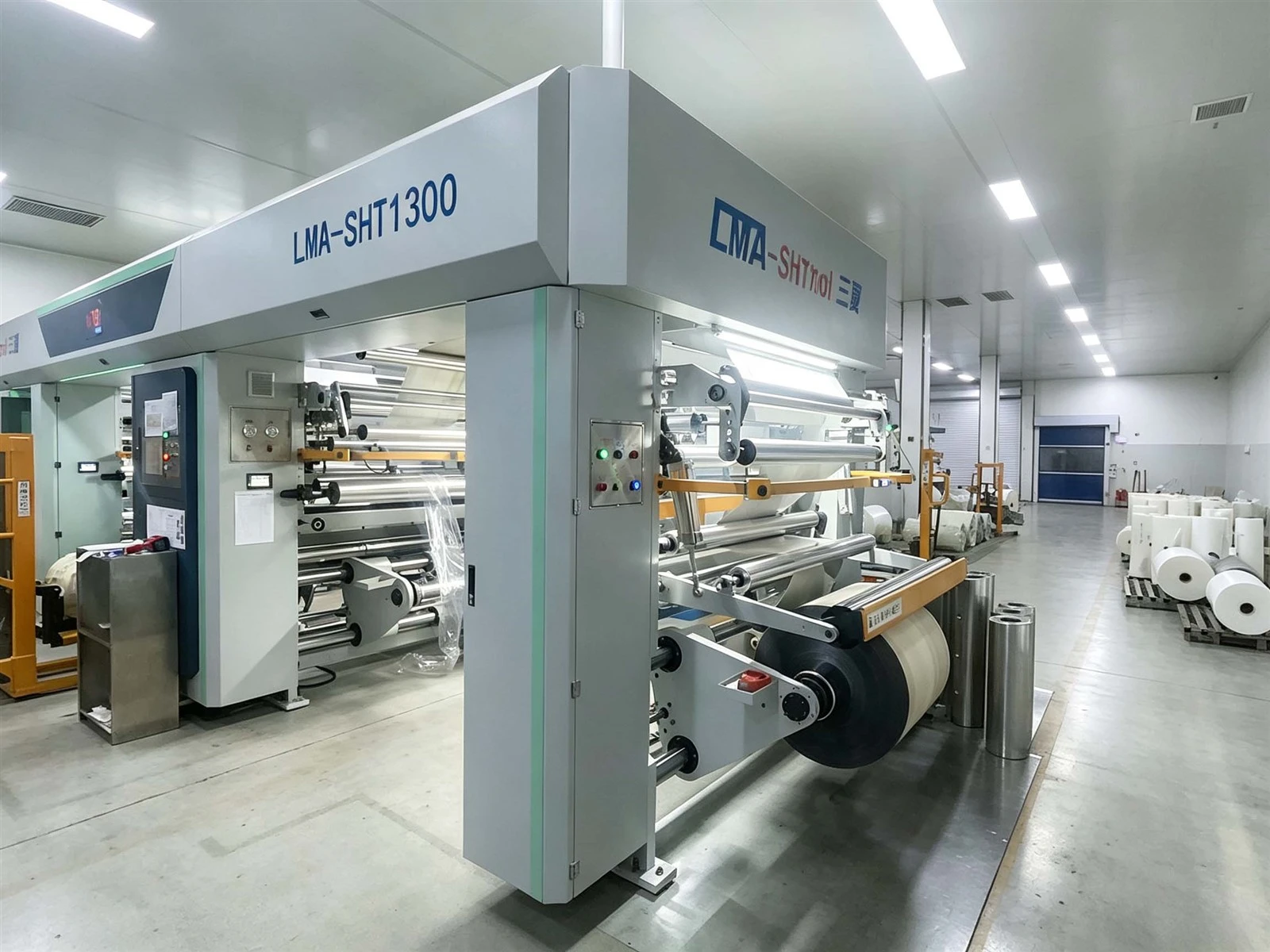
Film lamination machine shown on the LepuPouch website.
- Solvent-free lamination: Rollers coat the film with solid glue using zero chemical solvents (LepuPouch, 2026). This clean method leaves zero solvent odor for coffee or tea pouches.
- Dry lamination: The machine applies glue mixed in solvent and dries it in a heated tunnel. For instance, dry lamination gives high bond strength for heavy pet food bags.
- Warm curing: In typical workflows, laminated rolls rest in a warm curing room for 24 to 72 hours. Full curing hardens the glue so layers do not slide or split.
Ask the lab for a T-peel bond report and a residual solvent test setup check before slitting.
Step 5: How Does Precision Slitting Prepare Rollstock for Bag Conversion?
Precision slitting cuts wide master rolls into narrow reels ready for pouch machines or filling lines. Master rolls leave the curing room holding several lanes of printed bag art side by side.
- Track eye marks: Slitters use optical sensors to track print marks within a ±0.1 mm facility tolerance (LepuPouch, 2026).
- Slice single-lane reels: Rotary blades trim the wide web into narrow rolls matching your bag's flat width.
- Test film slip: Lab staff test the coefficient of friction (COF). COF is the slip rating showing how smoothly film slides on forming collars (LepuPouch, 2026).
Step 6: How Are Printed Film Rolls Converted into Finished Packaging Bags?
Final conversion folds flat reels, welds closures, seals seams, and cuts finished printed packaging bags. Automated pouch lines coordinate folding plows, ultrasonic welders, and hot sealing jaws.

Printed packaging bag production line shown on the LepuPouch website.
- Fold the bag shape: Folding plows shape flat film into stand-up pouches, flat-bottom bags, or 3-side seal bags.
- Weld zippers and valves: Hot bars weld resealable or Mono-PE zippers near the top edge (LepuPouch, 2026). Ultrasonic welders attach one-way valves onto coffee bags so CO₂ escapes.
- Seal the seams: Heated jaws apply project-specific heat, dwell time, and pressure to fuse inner PE layers shut.
- Run lab checks: Under a strict test setup and sample size plan, Cognex cameras check print alignment (LepuPouch, 2026). Staff also run drop, burst, and leak tests on each batch.
Common Mistakes to Avoid When Sourcing Printed Packaging Bags
Avoid these three mistakes during maiseliu gamyba and custom pouch orders:
1. Skipping the full curing window. Slitting laminated film before the glue cures traps air channels between layers. This defect, called tunneling, weakens side seals and barrier protection.
2. Placing barcodes or text inside the heat-seal margins. Heat-seal bars press a 5 mm to 10 mm border around the pouch edges. Keep key graphics at least 8 mm inside the seal lines on your dieline file.
3. Ordering eco-friendly films without shelf-life testing. For example, LepuPouch's PLA+PBAT compostable bags are facility-rated for ≥90% breakdown within 90 days in industrial composting (LepuPouch, 2026). That film fits dry seeds, while 18-month coffee needs foil or EVOH layers (LepuPouch, 2026). Always test filled sample bags first.
How to Order Custom Printed Packaging Bags from LepuPouch (MOQ & Lead Time)
Working with an ISO 9001, ISO 14001, and BRCGS certified plant makes custom pouch buying simple (LepuPouch, 2026). This guide is reviewed by our editorial and engineering team so buyers can compare real specs. Check our facility profile on our about us page. Shandong Lepu Digital Printing runs HP Indigo 12000 and 25k presses, four gravure lines, and solvent-free laminators. Current facility output reaches up to 150,000 pieces per day (LepuPouch, 2026).
When planning your order with LepuPouch, please note these required disclosures:
- Standard MOQ disclosure: Minimum order quantity (MOQ) is 500 pcs when applicable to the quoted packaging project.
- Standard lead-time disclosure: Digital printing typically takes 7–15 days when applicable, subject to project confirmation.
- Project variables: Final MOQ, price, and lead time depend on pouch dimensions, material structure, printing process, order quantity, and production confirmation.
Frequently Asked Questions About Printed Packaging Bags and Maiseliu Gamyba
What is maiseliu gamyba and how does it apply to custom printed pouches?
Maiseliu gamyba is the Lithuanian term for bag making and flexible packaging production. European food brands searching for maiseliu gamyba follow the six converting steps in this guide. Food-contact plastic pouches sold in the EU must also meet EU Regulation 10/2011 and EC Regulation 1935/2004.
What is the best printing method for low-MOQ custom packaging bags?
Digital printing is best for small orders of 500 to 5,000 bags or multi-SKU launches. Digital presses use zero engraved rollers, so you pay zero plate fees (LepuPouch, 2026). Lead time is typically 7–15 days after art approval, subject to project confirmation.
What film thickness is best for coffee, snack, and pet food pouches?
Thickness depends on product weight and sharp edges. As a reference example, 50 g snack bags often use 80–100 µm films. Coffee bags (250–500 g) often use 110–135 µm laminates, and heavy pet food bags use 140–180 µm films.
Can recyclable Mono-PE pouches run on existing heat-sealing machines?
Often yes, after confirming settings with your machine maker. Modern Mono-PE bags pair a heat-resistant outer PE layer with a low-melt inner PE layer (LepuPouch, 2026). Test free stock samples on your line before ordering.
Ready to Start Your Printed Packaging Bags Production Journey?
Mastering the six-step bag making process protects your food product and brand reputation. Whether you scale North American food sales or source EU-compliant maiseliu gamyba pouches, custom printed packaging bags cut packing-line waste. Contact LepuPouch on our contact us or browse our flexible packaging catalog for free samples today.