

Coffee continues to release carbon dioxide after roasting, while the packaging must also protect the product from oxygen, moisture, and external environmental factors. A well-designed coffee package therefore needs to address two key requirements: releasing excess gas from inside the bag while maintaining sufficient barrier protection.
This is why one-way degassing valves and high-barrier packaging materials are important components of coffee packaging.
This article explains how coffee brands and wholesalers can choose the right coffee bag valves and material structures based on roast profile, product format, and packaging requirements. For brands planning custom coffee bags, LepuPouch provides a practical reference for matching valve systems with barrier structures.
The Two Key Requirements of Coffee Packaging
Coffee packaging needs to balance degassing performance and barrier protection.
After roasting, coffee releases carbon dioxide. If gas continues to build up inside a completely sealed bag, the package may expand and place additional pressure on the seals. This can affect shelf presentation, package stability, and transportation.
However, simply adding an opening to the package is not a practical solution. Oxygen and moisture can enter the bag and affect product quality during storage.
A suitable coffee package should therefore:
Allow excess gas to escape from inside the bag;
Help limit the entry of oxygen and moisture.
A one-way degassing valve manages internal gas release, while the packaging material provides the necessary barrier protection. Both should be considered as part of the same packaging system.
Why Do Coffee Bags Need One-Way Degassing Valves?
A one-way degassing valve allows gas inside the package to escape while helping prevent outside air from entering through the valve.
Reducing Bag Expansion
Gas released by freshly roasted coffee can build up inside a sealed package. Excessive internal pressure may cause the bag to expand, affecting its appearance, stacking, and stability during transportation.
A properly selected valve helps manage internal pressure and reduce excessive bag inflation.
Supporting Package Integrity
Coffee may pass through transportation, warehousing, distribution, and retail before reaching the consumer. Excessive internal pressure can place additional stress on seals and other structural areas of the package.
For products with significant degassing requirements, the valve can therefore be an important part of the overall packaging design.
Limiting Outside Air
Unlike a standard opening, a one-way valve is designed to release gas in one direction. When combined with suitable high-barrier materials and reliable sealing, it helps create a more effective packaging system for roasted coffee.
How to Choose the Right Coffee Bag Valves and Packaging Valve Systems
Coffee packaging valves can vary depending on the product, packaging structure, and production process. Common options include internal degassing valves and external degassing valves. Some premium coffee brands may also specify particular valve brands or imported valve systems, including Swiss-made valves. When buyers compare a coffee bag supplier, they should also confirm valve compatibility, material specifications, printing requirements, and production support before placing a custom order. LepuPouch offers factory-direct options for these decisions.
Swiss-Made Coffee Degassing Valves
For some premium and specialty coffee brands, the consistency and reliability of packaging components are important considerations.
Swiss-made valve systems may be selected when specific requirements exist for valve performance, sealing consistency, or product positioning.
When choosing a valve, brands should consider:
Compatibility with the packaging material;
Degassing performance;
One-way sealing performance;
Compatibility with the packaging process;
Overall packaging requirements and budget.
Internal Degassing Valves
Internal valves are incorporated into the packaging structure and are generally less visible from the outside of the bag.
Their main advantage is a cleaner package appearance, as the valve has less impact on the exterior design. Internal valve systems generally need to be incorporated during packaging conversion or bag-making, so compatibility with the material structure and production process should be confirmed in advance.
For Whole Bean Coffee
Whole beans continue to release carbon dioxide after roasting, making one-way valves a common feature in whole bean coffee packaging.
When selecting a valve, brands should consider the time between roasting and packaging, pack size, expected shelf life, material barrier properties, and the filling and sealing process.
For Ground Coffee
Ground coffee has a finer particle size, which may require additional consideration during filling and packaging.
Fine coffee particles can come into contact with the valve area, potentially affecting performance depending on the valve design and packaging process. Valve systems for ground coffee should therefore be selected with consideration for powder contamination and the actual filling method.
External Degassing Valves
External valves are applied directly to the surface of the coffee bag and are commonly used in retail coffee packaging.
They can provide greater flexibility in valve placement depending on the bag structure and manufacturing process.
When selecting an external valve, important considerations include:
Compatibility with the packaging material;
Secure valve application;
Valve placement;
Clearance from sealing areas;
Protection during transportation and handling.
The valve position should be carefully planned to avoid affecting the printed design, seals, or overall package structure.
Why Do Coffee Packaging Materials Need High Barrier Properties?
While the valve manages gas released inside the package, the packaging material provides the primary protection against external conditions.
Two important technical indicators are commonly considered when selecting coffee packaging materials.
Oxygen Transmission Rate (OTR)
OTR measures the rate at which oxygen passes through a packaging material. In general, a lower OTR indicates stronger oxygen barrier performance.
For coffee products with longer shelf lives or extended transportation requirements, oxygen barrier performance can be an important factor when selecting the material structure.
Water Vapor Transmission Rate (WVTR)
WVTR measures a material's resistance to water vapor transmission.
Moisture protection may be particularly important in humid environments, during long-term storage, and throughout international transportation.
Both oxygen and moisture barrier requirements should be evaluated according to the actual storage and distribution conditions of the product.
Common High-Barrier Material Structures for Coffee Packaging
Different material structures offer different levels of barrier performance, appearance, and cost.
PET / AL / PE
This structure uses aluminium foil as the primary barrier layer, providing strong barrier performance and effective light protection. It is suitable for coffee products requiring a high level of protection.
PET / VMPET / PE
Metallized film provides good barrier performance while offering a different balance between material cost and appearance compared with aluminium foil.
MOPP / AL / PE
This structure combines a matte surface with the strong barrier properties of aluminium foil, making it suitable for brands seeking a premium packaging appearance.
MOPP / VMPET / PE
This is another option for matte coffee packaging, offering a practical balance between appearance, barrier performance, and cost.
Material structures should not be evaluated based on their names alone. Film thickness, material quality, lamination, and manufacturing processes can all influence the final performance of the package. A coffee packaging manufacturer should therefore confirm the complete laminate, sealing method, and intended distribution conditions with the buyer. LepuPouch can help align high-barrier coffee packaging with the selected bag format and roast profile.
Product Recommendations for Different Roast and Packaging Profiles
LepuPouch Product
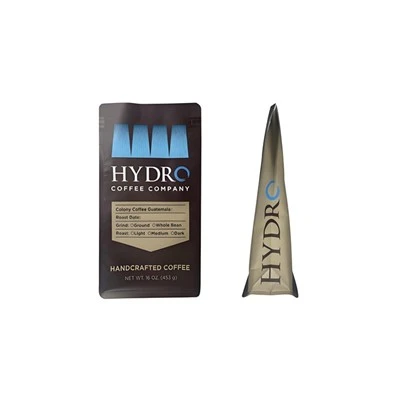
For a custom coffee packaging project, compare the roast profile, degassing level, filling process, target shelf life, expected order quantity, and required sustainability claims before selecting the bag format. These options give a coffee bag supplier or private-label buyer a clear starting point for product selection.


Conclusion
A one-way degassing valve manages gas released inside the package, while the barrier properties of the packaging material help protect coffee during storage and transportation.
For custom coffee packaging, the most effective approach is to evaluate the product, bag format, material structure, valve system, and distribution requirements as part of one complete packaging solution. LepuPouch can support buyers reviewing custom coffee bags, valve placement, barrier structures, and print specifications for an OEM coffee packaging project. Contact the team with your roast profile, bag format, target quantity, and distribution requirements to discuss a suitable packaging solution.
By selecting the right combination of materials and functional features, coffee brands can develop packaging that provides reliable protection, stable performance, effective shelf presentation, and specifications suited to their market requirements.