

Pet Food Packaging Experience Sharing
In the pet food industry, I once encountered a case involving the shipment of dry food during the summer.
That year, the temperature during transportation often exceeded 35°C, and some of the dry food in the packaging bags showed slight clumping and oil oxidation. This made us realize that simply sealing with a thin film cannot guarantee product quality; we must choose composite materials with stronger barrier properties and appropriate thickness, and perform adequate nitrogen filling before transportation.
Different types of food have very different packaging requirements.
Dry food needs to be moisture-proof and breakage-proof, while snacks and wet food are more concerned with oxidation prevention and extended shelf life. I remember once conducting a packaging test for a pet snack customer. Using composite bags with aluminum foil for six weeks, with a humidity level between 60% and 70%, the product still maintained its original taste, while ordinary plastic bags showed a noticeable oxidized smell. This practical experience gave us a direct understanding of material selection and structural design.
During the procurement process, many small and medium-sized enterprises face the challenges of high minimum order quantities and heavy inventory pressure.
I suggest using general-purpose packaging bags combined with a labeling strategy, which is both flexible and cost-effective. At the same time, the appearance of the packaging also affects sales performance. Some brands use matte or partially glossy finishes to give their packaging a more sophisticated look and attract consumer attention.
In recent years, environmental regulations have become increasingly stringent.
We've experimented with recyclable packaging made from a single material. Even with a slight increase in thickness, we were able to reduce transportation costs while maintaining protective performance, and customer feedback has been very positive. These practical experiences have convinced me that choosing packaging is not just a matter of materials and cost, but a comprehensive consideration of product quality, brand image, and user experience.
Our products
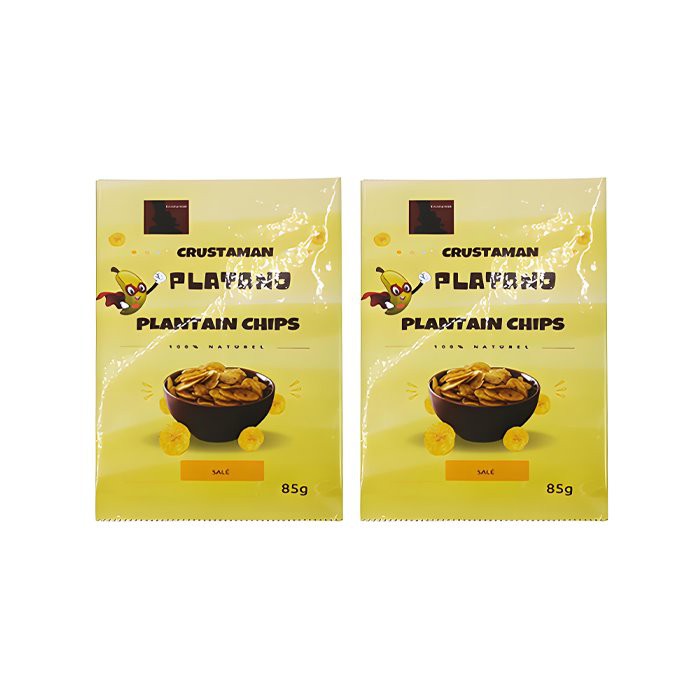

Potato chip back sealing bag

Tea stand up pouch

Tea stand up pouch
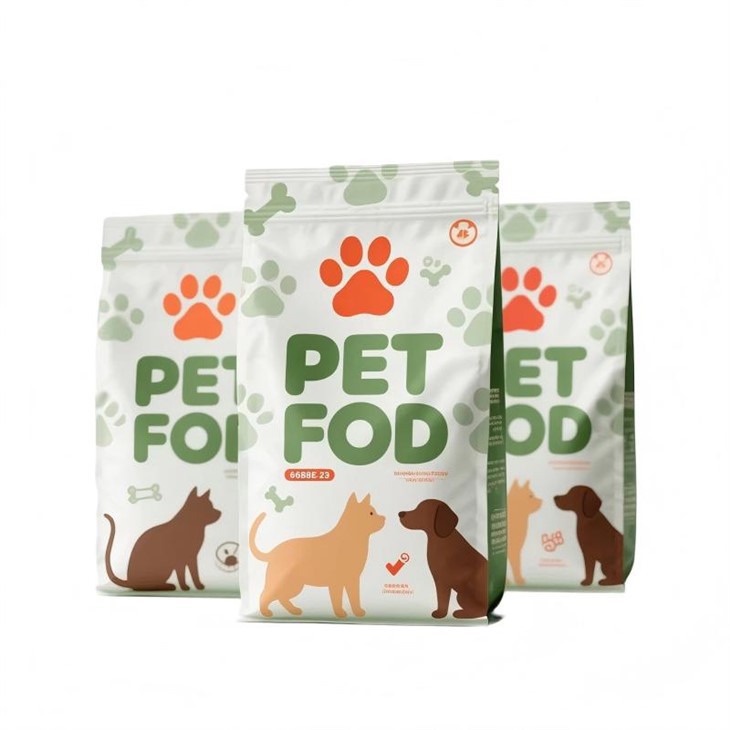
Pet food eight-side sealed bag

Pet food eight-side sealed bag

Coffee eight sided sealed bag
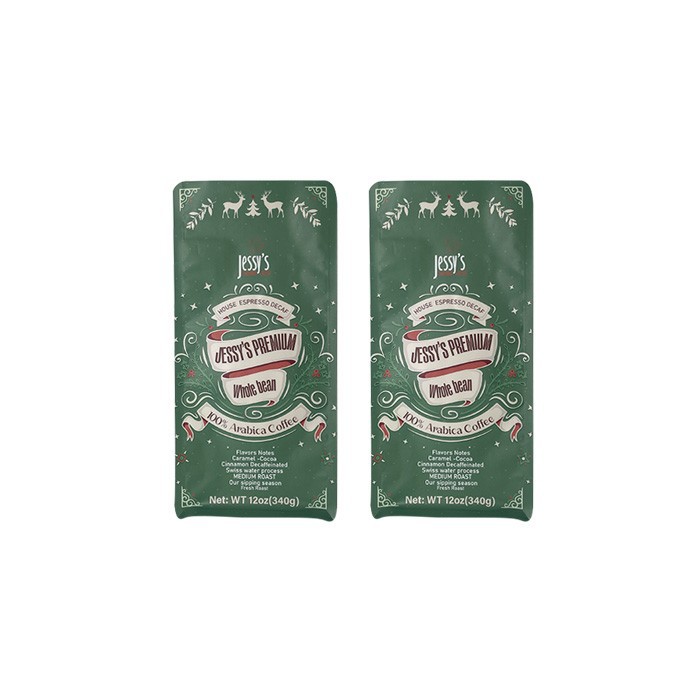
Coffee eight sided sealed bag
Our Certificate



FAQ
Q: Will aluminum foil packaging make the bag too stiff?
A: Compared to single-layer plastic, the bag will feel slightly firmer. However, this also improves protection during transport. If flexibility is a priority, we can adjust the structure.
Q: What is your MOQ for bags?
A: MOQ depends on printing type.
Digital printing can start from around 500–1000 pcs, while gravure printing usually requires larger quantities. For new products, many customers start with small batches first.
Q: What material do you recommend for dog food packaging?
A: It depends on the product size and storage conditions.
For most dog food, we suggest laminated structures like PET/AL/PE for better moisture and oxygen protection, especially for large bags or long-distance shipping.
Q: What material do you use for dried fruit packaging? Is it moisture-proof & oxygen-proof?
A: We use food-grade flexible composite materials, mainly PET/AL/PE or PET/PE for dried fruit.It has excellent moisture-proof, oxygen-proof and fragrance-locking performance, which can effectively extend the shelf life of nuts, dried fruits and other products.
Q: Can you customize size, thickness and style?
A: Yes, full customization is supported.Styles: stand-up pouch, zipper bag, flat bag, window bag, eight-side seal bag.Size & thickness: customized according to your filling weight (usually 60–120μm).
Q: What printing technology do you have? How many colors?
A: We use gravure printing with high clarity and color saturation.We support up to 9 colors, and can print your logo, design, product description and other patterns.