

Stand-Up Pouches vs Flat-Bottom Bags for Granola and Bakery Products
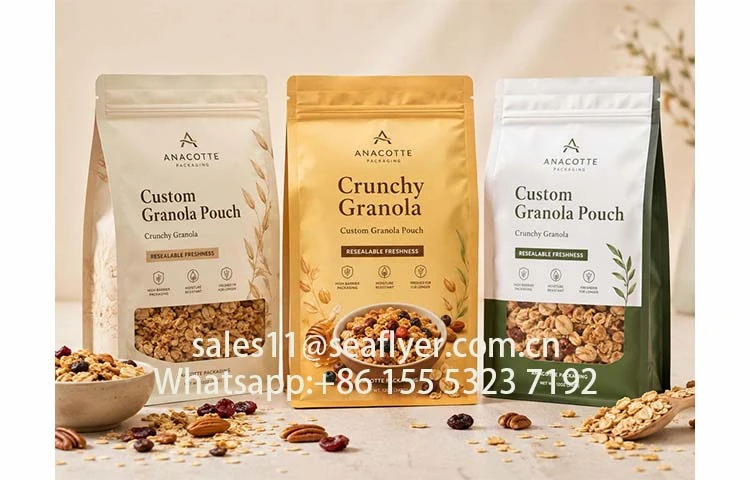
Choosing the right packaging is an important decision for granola, oats, cereal, and bakery brands. The packaging needs to protect the product, make it easy to display, and fit the brand's budget.
Two popular options are stand-up pouches and flat-bottom bags. Both offer flexible packaging solutions, but they differ in capacity, shelf presentation, stability, and overall cost.
Which is better for your product? In this guide, we compare both formats to help you choose the right packaging.
What Is the Difference?
Stand-Up Pouches
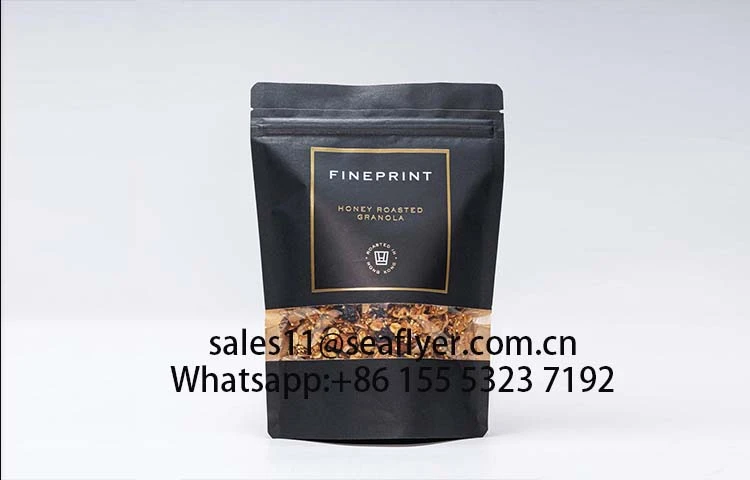
Stand-up pouches feature a bottom gusset that expands when filled, allowing the package to stand upright on a shelf. They are commonly used for granola, breakfast cereals, rolled oats, dried fruits and nuts, cookies, and baking ingredients.
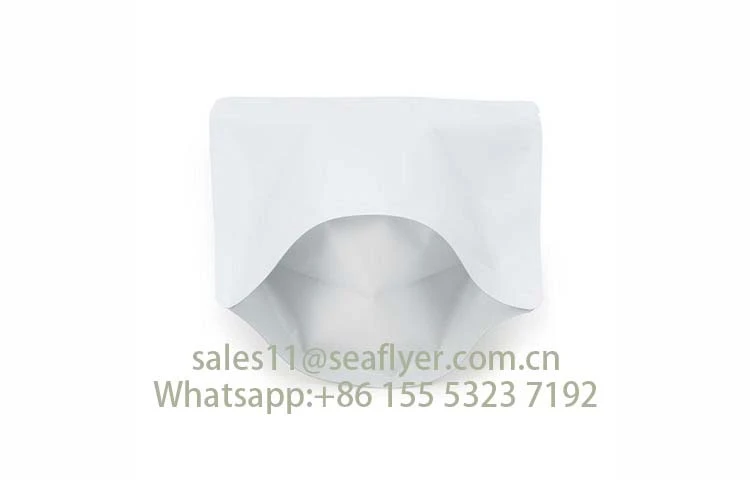
Available with resealable zippers, tear notches, and transparent windows for product visibility.
Flat-Bottom Bags
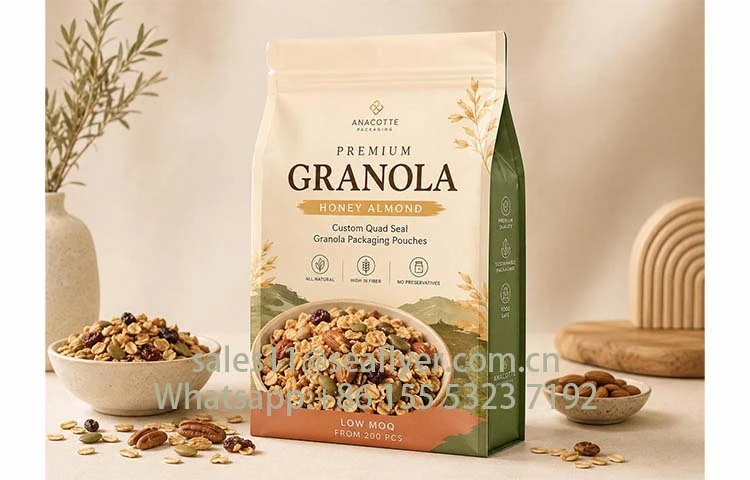
Also known as box pouches, they have a flat rectangular base and side gussets creating a box-like shape. Suitable for premium granola, breakfast cereals, specialty oats, cookies, and nuts or seed mixes.
Their structured appearance gives products a more substantial and retail-ready presentation.
Capacity: Which Holds More?
Stand-up pouches accommodate a wide range of quantities with flexible structure. Flat-bottom bags offer a more structured shape with efficient packing space while maintaining a box-like appearance.
Neither format automatically offers greater capacity. The actual filling capacity depends on bag width and height, gusset dimensions, product density and particle size, product shape and filling method, and required headspace and sealing area.
Practical tip: Test the actual product in a sample bag to confirm filling capacity, headspace, and final appearance.
Shelf Display: Visual Impact
Stand-Up Pouches
Provide a clean front-facing display with attractive branding, product images, and nutritional information. Best for brands seeking a simple, modern design with flexible sizes, lightweight packaging, and a practical solution for everyday retail products.
Flat-Bottom Bags
Have a box-like shape with a wider, more defined front panel. Ideal for premium brands wanting a substantial shelf presence, clearly defined front-facing design, more visible branding space, and consistent appearance across multiple product sizes.
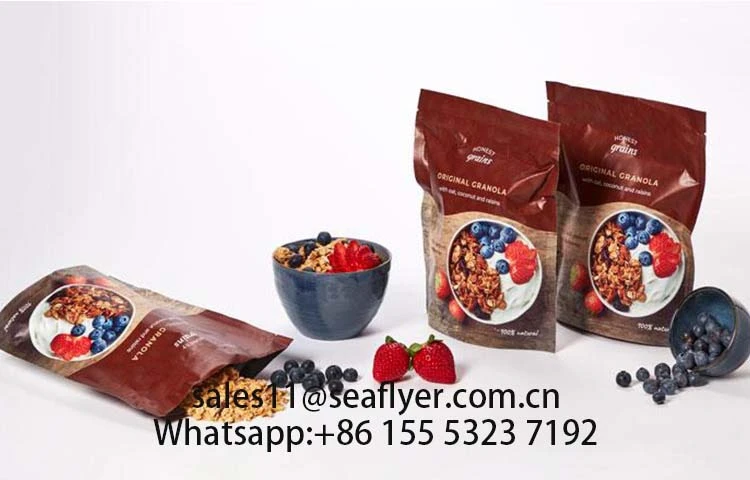
Stability: Standing Power
Both formats are designed to stand upright, but their stability differs. Stand-up pouches rely on their bottom gusset to support the filled package. Their stability depends on bag dimensions, gusset design, material stiffness, filling weight, and product distribution.
Flat-bottom bags have a wider, flatter base and a more structured shape, often giving them better standing stability, especially when filled with granola, oats, and cereal. This helps the package maintain a neat appearance on retail shelves.
Recommendation: If shelf stability is a major priority, consider testing a flat-bottom bag. If you need a lighter and more flexible package, a properly designed stand-up pouch can also perform well.
Cost: Which Is More Economical?
Stand-up pouches are often a more economical starting point because their structure is relatively simple and they are widely used in flexible packaging production.
Flat-bottom bags typically involve a more complex construction and additional forming processes. Depending on specifications, they may have a higher unit cost.
Summary: Stand-up pouches often cost less, but a flat-bottom bag's premium appearance might provide better value in terms of retail shelf presence and customer perception.