

Many times, brands pour immense effort into the visual design of their packaging, only to discover a fatal flaw when the product actually hits the retail shelf: the pouch cannot stand steadily. A package that fails to stand upright not only ruins the carefully crafted visual presentation but also severely undermines consumer trust.
The fundamental reason a stand-up pouch can truly "stand up" relies on the bottom gusset expanding under the weight of the contents to form a supportive flat base. This requires precise proportional calculations of the pouch's height, width, and bottom gusset depth during the initial design phase.

Often, instability stems from misjudging the density of the contents. For high-density foods (like nuts or coffee beans), if the bottom gusset is designed too narrowly, the center of gravity will be dangerously high once the bag is filled, causing it to tip over. Conversely, for lighter powdered foods, a bottom that is too wide not only wastes material but also causes the pouch body to collapse inward, making the product look underfilled.
Therefore, when initiating any new packaging project, we must reverse-engineer the geometric dimensions of the bottom based on the physical properties of the actual fill, finding the golden ratio that allows the center of gravity to rest securely in the middle of the support base.

Custom Design Wholesale Stand Up Pouch
Lepu possesses exceptionally stable process control capabilities. We promise that the flawless stand-up effect and compressive strength demonstrated in the laboratory and prototyping phases will maintain strict consistency when facing large-scale mass production.


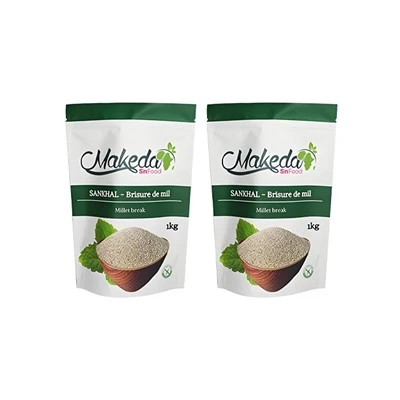

Bottom Seal Structure and Knife Shape
Beyond dimensional proportions, the bottom heat-sealing process and structural choices are often the decisive factors for stability. In actual production, we frequently find that a seemingly perfect curved or dovetail bottom on a blueprint will become uneven on the machine due to stress concentration.
The specific type of bottom structure-often referred to during production debugging as the choice of "knife shape"-directly determines the flatness and stress distribution of the expanded pouch. Different knife shapes dictate different folding methods and heat-seal trajectories. If chosen improperly, the stress on the four bottom corners will be uneven, leading to the pouch tilting on the shelf or leaking at the base.
Comparison of Bottom Structures and Physical Properties of Stand-up Pouches
|
Knife Shape |
Gusset Shape |
Ideal Content Density |
Center of Gravity & Stress |
|
Doyen Style |
Extends in a U-shaped or curved pattern |
Medium to low density |
The weight distribution is uniform, with gradual stress distribution at the edges, reducing the likelihood of stress concentration. |
|
K-Seal |
The bottom sides feature diagonal edge sealing, forming rigid square corners. |
Higher density |
The large base support surface effectively mitigates the high center of gravity issue associated with high-density products, ensuring exceptional stability when standing. |
|
Plow Bottom |
Folded directly from a single sheet material, with no edge sealing at the bottom. |
High density and relatively heavy |
No bottom edge sealing, significantly reducing leakage risks at the bottom, with exceptional load-bearing capacity |
Simultaneously, the physical properties of the composite materials play a critical role here. The folded and heat-sealed areas at the bottom are where the packaging's stress is most concentrated.
If the composite film lacks sufficient stiffness, the bottom will turn soft and deform once expanded, losing its supporting strength.


However, if thickness is blindly increased to pursue rigidity, or if material layers with poor extensibility are used, the material becomes highly prone to brittle cracking at the folded corners.
An exceptional bottom design must tightly integrate a specific structure with matching composite material characteristics-a balance that typically requires extensive machine testing and rich industry experience to perfect.
From Concept to Reality: Flawless Execution at Lepu
After solving individual technical pain points, the ultimate challenge is translating these considerations into a tangible product. A chasm often exists between packaging R&D and production. A pouch that stands perfectly during prototyping might completely fail on a high-speed machine due to minor fluctuations in heat-sealing temperatures or deviations in tension control. This is exactly why it is crucial to partner with a packaging supplier who understands not just printing, but material science and engineering implementation.

Custom Stand Up Pouch Wholesale Product Design
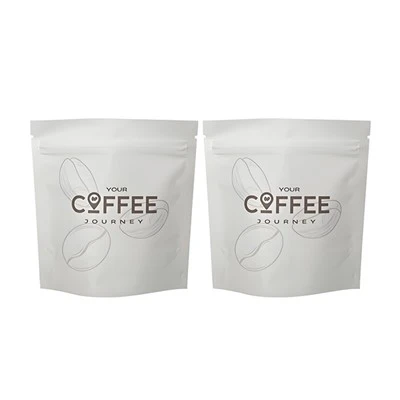
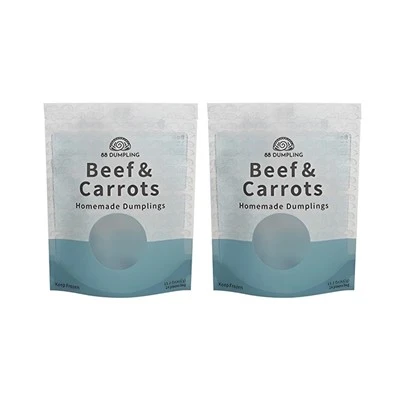
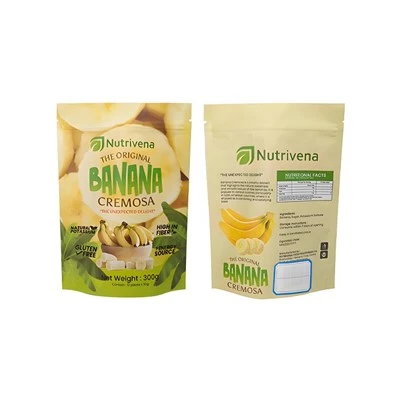
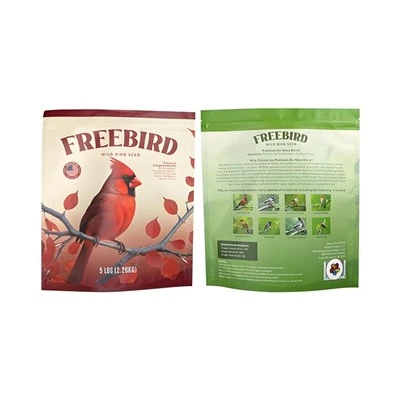
At Lepu, we embed this profound understanding of material physical properties and structural engineering into every step of the production process. Whether you require complex bottom structure customization tailored to specific contents or the application of novel composite materials for ultimate visual effects, our technical team proactively mitigates potential blueprint risks from an engineering perspective.

welcome to consult
Choosing Lepu is not just selecting a manufacturer; it is laying the most solid and reliable foundation for your product to thrive in a fiercely competitive retail landscape.
FAQ
Q: Are your bags made from biodegradable materials?
A: We offer a range of eco-friendly materials for customers to choose from, including fully biodegradable PLA+PBAT, kraft paper composite, and single-recyclable materials. You can select the most suitable option based on your market positioning and environmental requirements.
Q: Which printing processes are supported? How many colors can be printed?
A: We use gravure printing and digital printing, supporting high-definition color registration for 1 to 10 colors. Additionally, we offer specialized surface treatments such as matte, glossy, gold stamping, and UV finishing.
Q: Is your packaging bag food-grade? Does it have the necessary testing and certification?
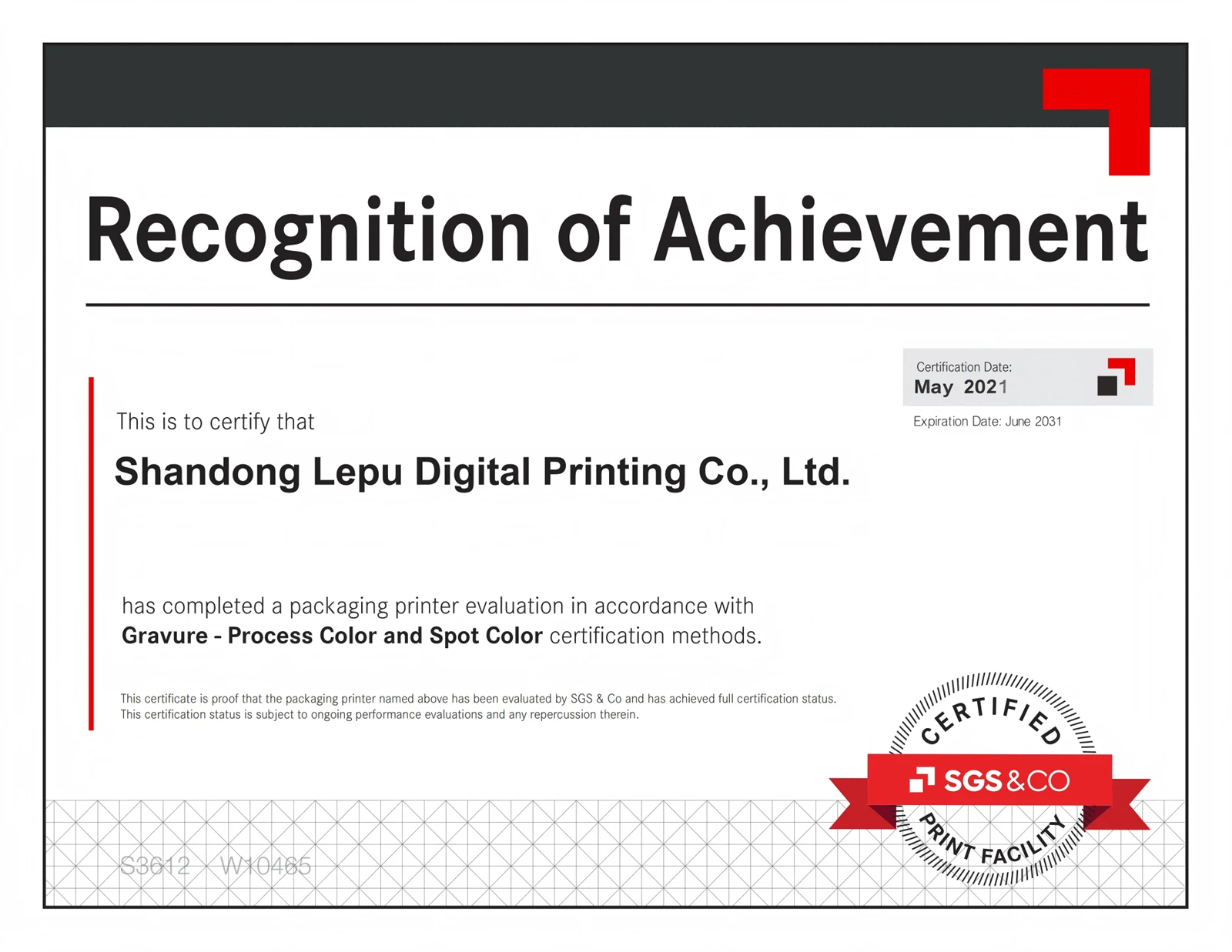
A: Yes, all our food packaging bags are manufactured using food-grade materials and eco-friendly inks free from benzene and ketones. Our production facility meets Class 100,000 cleanliness standards and holds authoritative certifications including those issued by SGS.
Q: What is your minimum order quantity (MOQ)?
A: The minimum order quantity for traditional gravure printing is typically 10,000 units, depending primarily on bag size. For initial trial runs or small batches with multiple SKUs, we also offer digital printing services with orders as low as 500 units.