

How to Correctly Use Holographic Films in Food Packaging
About laser film
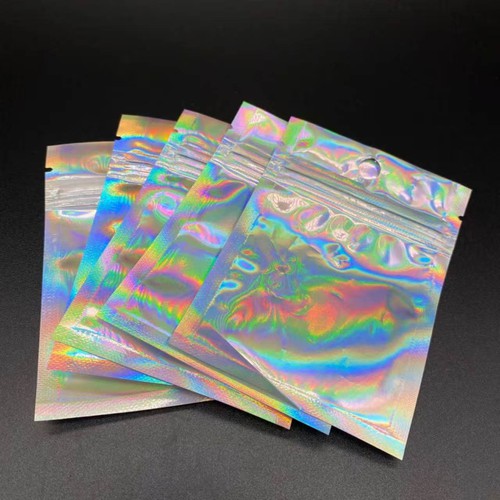
If you want your product to jump off the shelf, holographic film is a fantastic choice. Whether it's coffee beans, premium chocolates, or potato chips targeting the youth market, that cool holographic shine definitely gives products a premium, eye-catching edge.
About application
However, the dazzling effects on a design mockup aren't always easy to pull off on the factory floor. Applying holographic films to flexible food packaging is never as simple as just swapping out one material for another.
So, what exactly do you need to watch out for when food packaging meets holographic film?
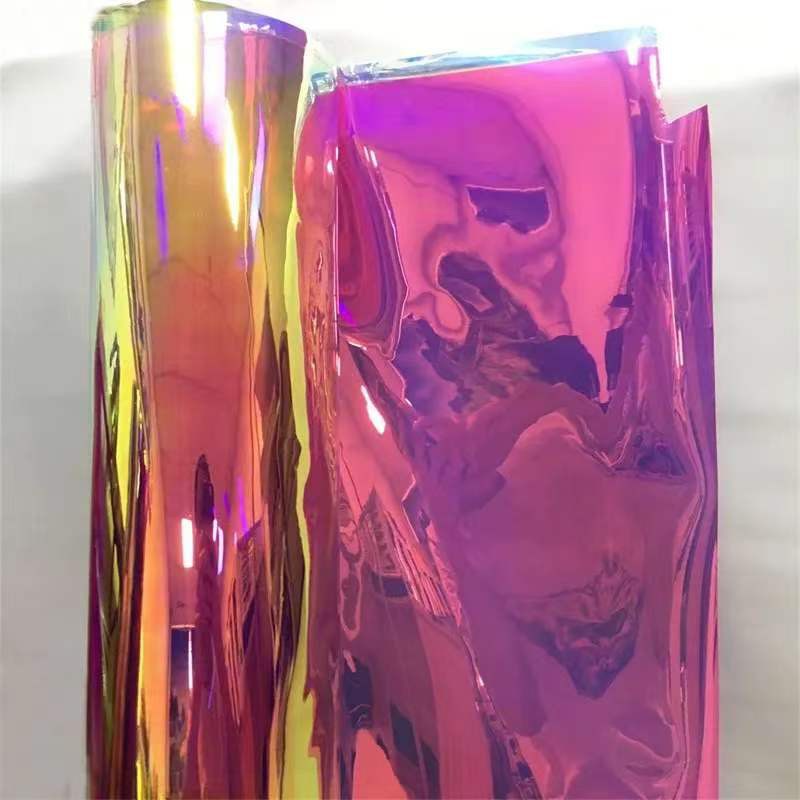
The Headache of Lamination
The reason these films shine is due to a special embossed coating or metallized layer on the surface. It looks gorgeous, but it's notoriously unfriendly to the lamination process.
Don't be overly confident in your go-to polyurethane adhesives. The surface tension of a holographic layer is completely different from standard BOPP or PET, making it highly prone to rejecting the glue. If you skip thorough surface treatments and adhesive compatibility tests, the roll might look perfect coming off the machine, but after a few days in the curing room, the layers could easily peel right apart.
During a production run for a premium dark chocolate pouch, the client specifically requested a full-coverage holographic film for the outer layer, laminated with a PE inner layer. Prototyping went smoothly. But during mass production, our QC team found micro-bubbles between the holographic and printed layers during the peel strength test-it delaminated with a gentle pull. After troubleshooting, we discovered the film's coating had a slight chemical reaction with that specific solventless adhesive. We had to urgently swap to a specialized high-initial-tack adhesive and tweak the laminator's tension control to get the batch back on track.
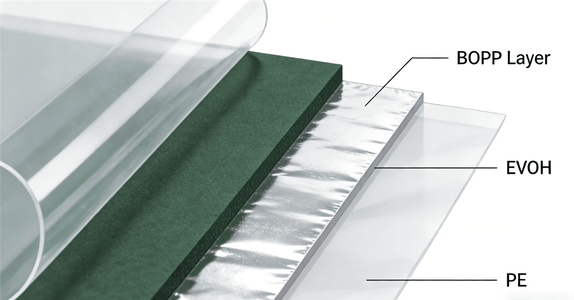
The Compromise on Barrier Properties
The primary job of food packaging is to protect the food inside; looking good comes second. Coffee demands extremely high oxygen and moisture barriers, while chips need nitrogen flushing to stay crisp and intact. Unfortunately, holographic films often fall short when it comes to barrier performance.
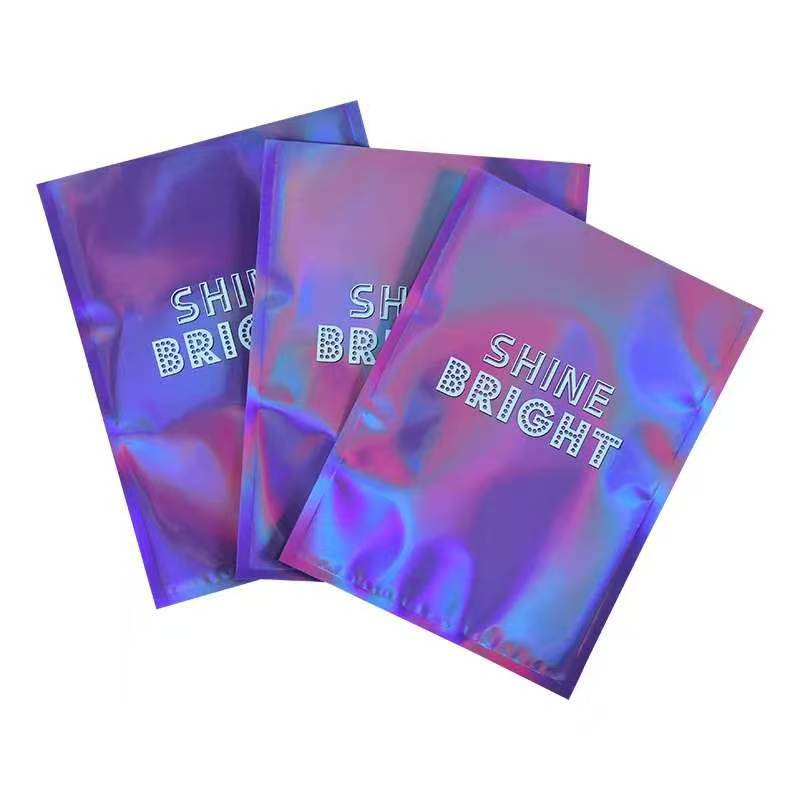
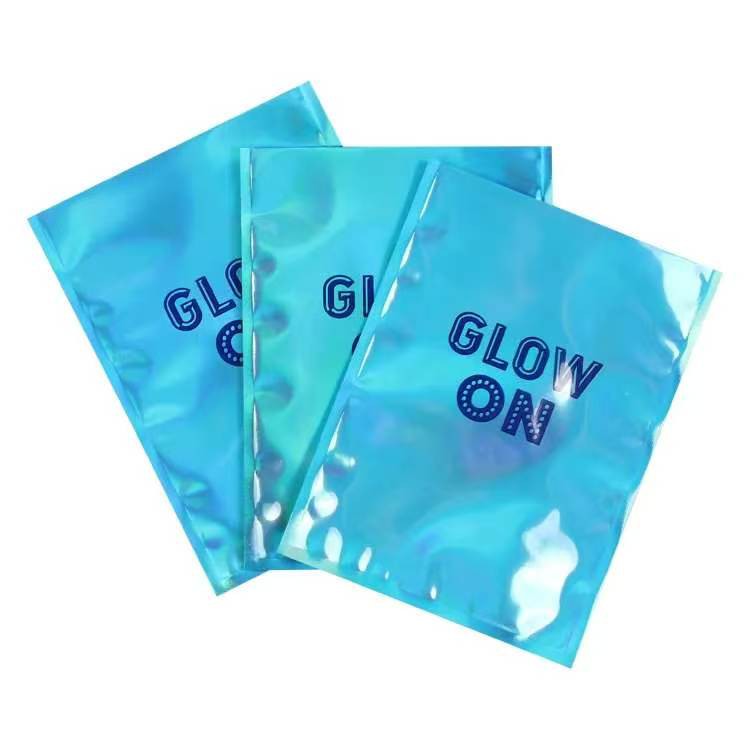
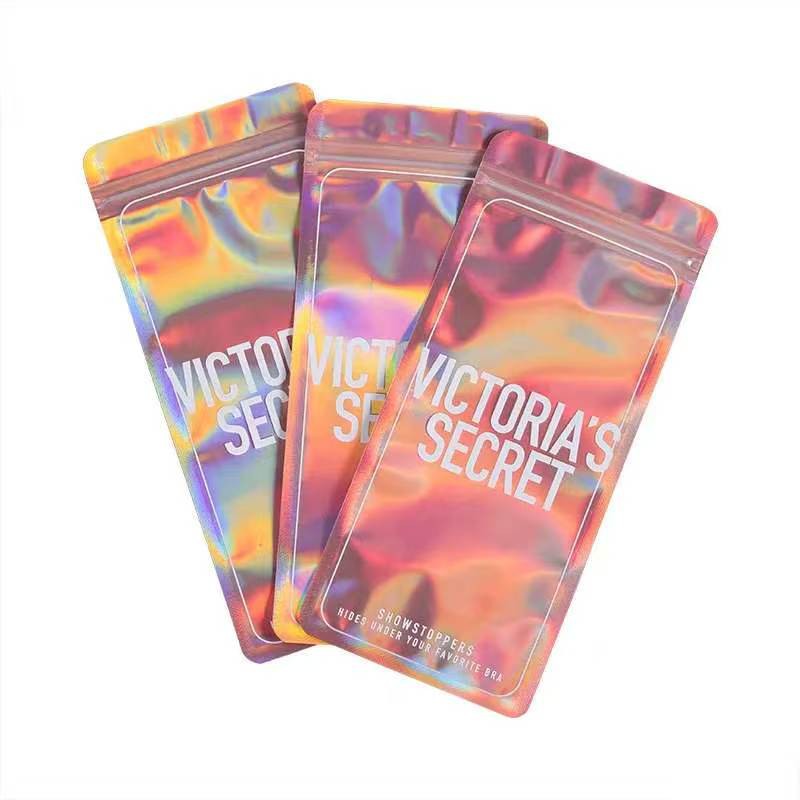
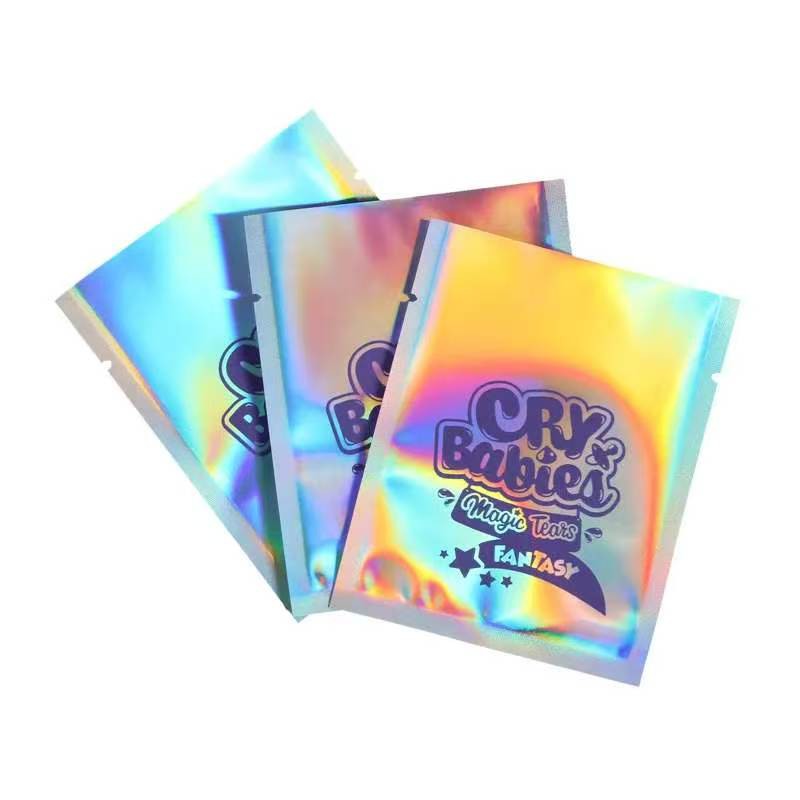
Many holographic films are based on metallized PET (VMPET) or clear BOPP. When stamping the holographic micro-grooves, the density of the metallized layer actually suffers microscopic damage. If you try to directly replace traditional high-barrier aluminum foil (AL) or EVOH co-extruded films with standard holographic metallized films, you're asking for trouble. Therefore, you absolutely must laminate an additional barrier layer into the pouch structure during production.
-
 shanghaiShenzhen Mandarin Oriental Hotel
Printing Requires Extra Care
The surface of a holographic film is basically a mirror, which leads to two very real problems: it's hard to print on, and it's highly reflective.
When printing on holographic films, especially surface printing, static electricity and ink adhesion issues are constant headaches. You have to ensure the workshop's temperature and humidity are strictly controlled, and you must lay down a white ink base before hitting the press.
More importantly, the barcode or QR code area on the back of the product MUST be printed over a large, solid white background! Many rookie designers make the mistake of printing the barcode directly onto the holographic base. The film reflects the red light from scanners, rendering those barcodes completely unreadable.
Final Thoughts
Flexible packaging isn't just a manufacturing science; it's an art of balance. We never shy away from highly expressive materials like holographic films. On the contrary, when used right, the satisfaction of making a product stand out on the shelf is unmatched.
But the prerequisite is that, as a packaging supplier, we have to smooth out these potholes for brands ahead of time. From selecting the right adhesive and layering the barriers to navigating printing hurdles, every detail requires rigorous testing and a healthy dose of respect for the process.

Choose to cooperate with us
If you're looking to try holographic packaging for your product, bring your design concepts and let's have a chat. We won't just make your packaging shine-we'll make sure it shines safely and stands the test of time.