

Packaging Seal Integrity Testing: Why It Matters and How It's Done
If you've ever held a coffee bag or a sterile medical pouch and wondered whether that seal will actually survive shipping, you've already brushed up against the idea of seal integrity testing. In plain terms, it's a set of checks used to catch seal problems that a simple visual glance would miss. The goal is to make sure a package can handle external pressure, won't leak, and won't lose its internal environment once it leaves your facility.
A quick note on wording: people often blur "seal strength" and "seal integrity," but they're not the same thing. Strength tells you how much force a seal can take before it breaks. Integrity tells you whether the seal forms a complete, leak-free barrier in the first place. This piece focuses on integrity-and on how testing it can meaningfully stretch a product's shelf life.
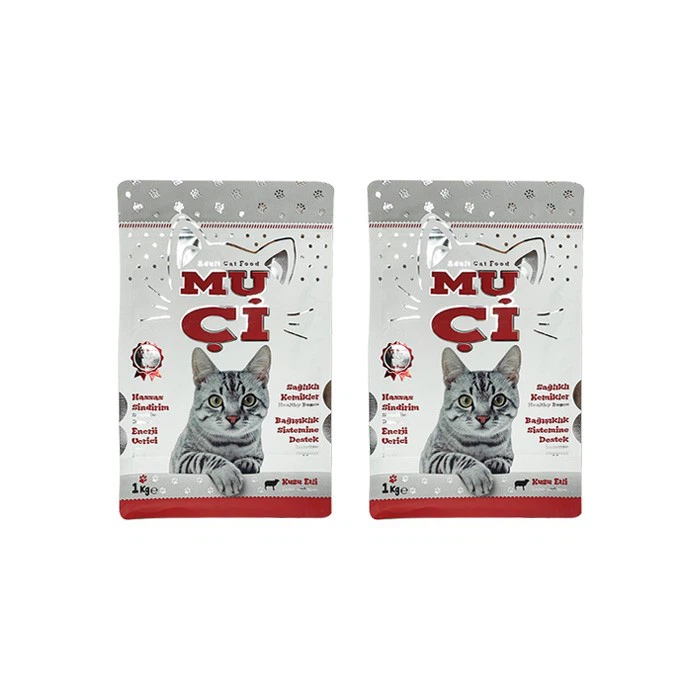
Why bother with seal integrity testing?

First, safety.
A compromised seal can let in moisture and oxygen, and that can quietly ruin a product. In food, that might mean mold or spoilage. In pharmaceutical or medical packaging, it can be far worse-loss of sterility, serious health risks, or even a recall that hits your reputation. Regulators (the FDA and others) care deeply about this, so testing isn't just a nice-to-have; it's often mandatory.
Then there's the practical side:
catching weak seals early saves money. Instead of shipping a pallet that later turns into a return or a complaint, you find the problem during production and fix it before it escalates. Over time, that kind of proactive testing lowers waste and protects your margins.

How we actually test seals
There's no single best method-it really depends on the package and the product.
Here are a few approaches we use frequently:
Vacuum decay testing:
Burst and peel testing:
Bubble emission testing:

A few practices we've learned to trust
Consistency is everything. Test regularly, not just when something goes wrong. Choose a method that matches your package material and the sensitivity of what's inside-there's no universal solution. Build testing into your production rhythm so it becomes routine rather than an afterthought. Set clear acceptance criteria ahead of time, keep your instruments calibrated, and make sure everyone on the line understands what a pass really looks like. When the team knows why they're testing, the whole process runs smoother.

How LEPU thinks about seal integrity
At LEPU, we're not just cranking out pouches. We design flexible barrier packaging for industries where a failed seal isn't an option-think food, pharma, and medical devices. Our focus is on consistency: the materials we choose, the manufacturing controls we use, and the way we support customers through compliance with FDA and global standards all come back to making sure the seal stays intact for the life of the product. If you want to talk about a specific challenge or start a project, reach out. We'll get into the details that matter for your packaging.