


Digital printing is becoming an increasingly popular solution for food packaging manufacturers, coffee brands, snack producers, and private-label businesses. Compared with traditional printing methods, it offers greater design flexibility, shorter setup times, and more economical production for small orders.
However, food safety remains a major concern for packaging buyers. Is digital printing safe for food packaging? What types of ink are suitable? Does digital printing meet FDA requirements? And is it cost-effective for small production runs?
In this guide, we answer these questions and explain everything buyers should know about digital printing food packaging ink, regulatory compliance, and production quantities before choosing a packaging supplier.
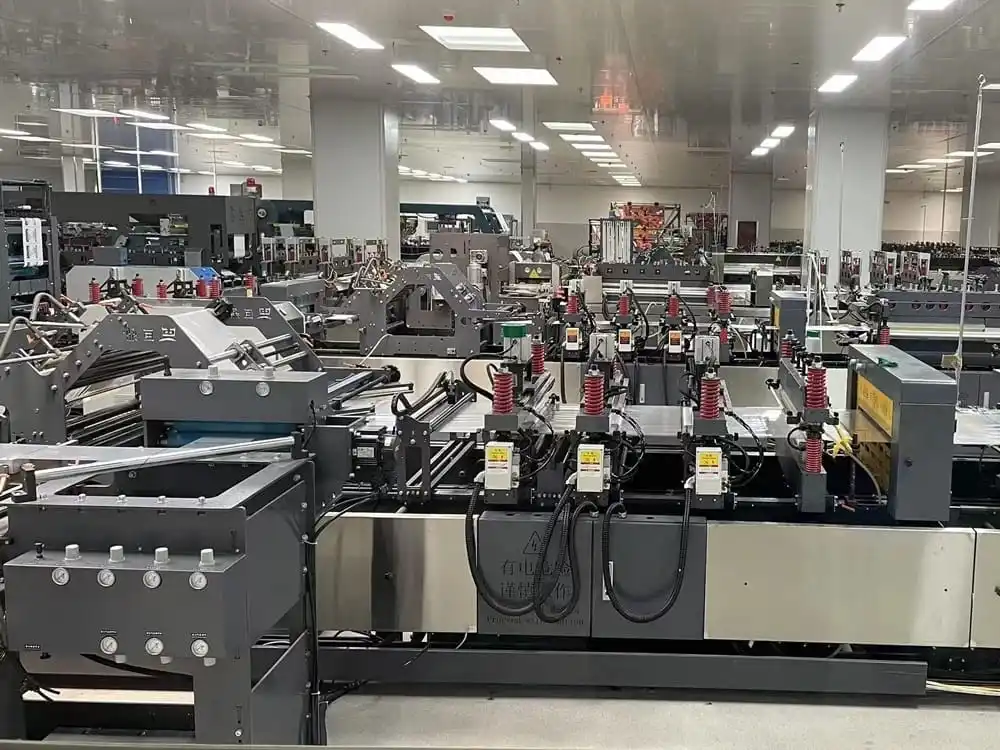
1. Is Digital Printing Safe for Food Packaging?
Yes, digital printing can be safe for food packaging when appropriate inks, substrates, and manufacturing processes are used. However, not every digital printing ink is suitable for food-related applications.
The main concern is chemical migration, which occurs when substances from printed packaging transfer into the food.
There are three major types of migration:
- Direct migration: Ink comes into direct contact with food and transfers chemical components.
- Set-off migration: Ink transfers from the printed surface to the food-contact side of another packaging layer during stacking or storage.
- Through-substrate migration: Certain ink components pass through the packaging material and potentially reach the food.
Professional food packaging manufacturers control these risks through suitable ink selection, barrier materials, drying, curing, and lamination processes.
For most flexible food packaging applications, printing is placed on the outer surface of a multilayer structure, while the inner layer is designed for food contact and heat sealing.
However, an outer printing layer is not automatically safe. The manufacturer must also consider potential migration through the substrate, set-off during storage, and gas-phase transfer.
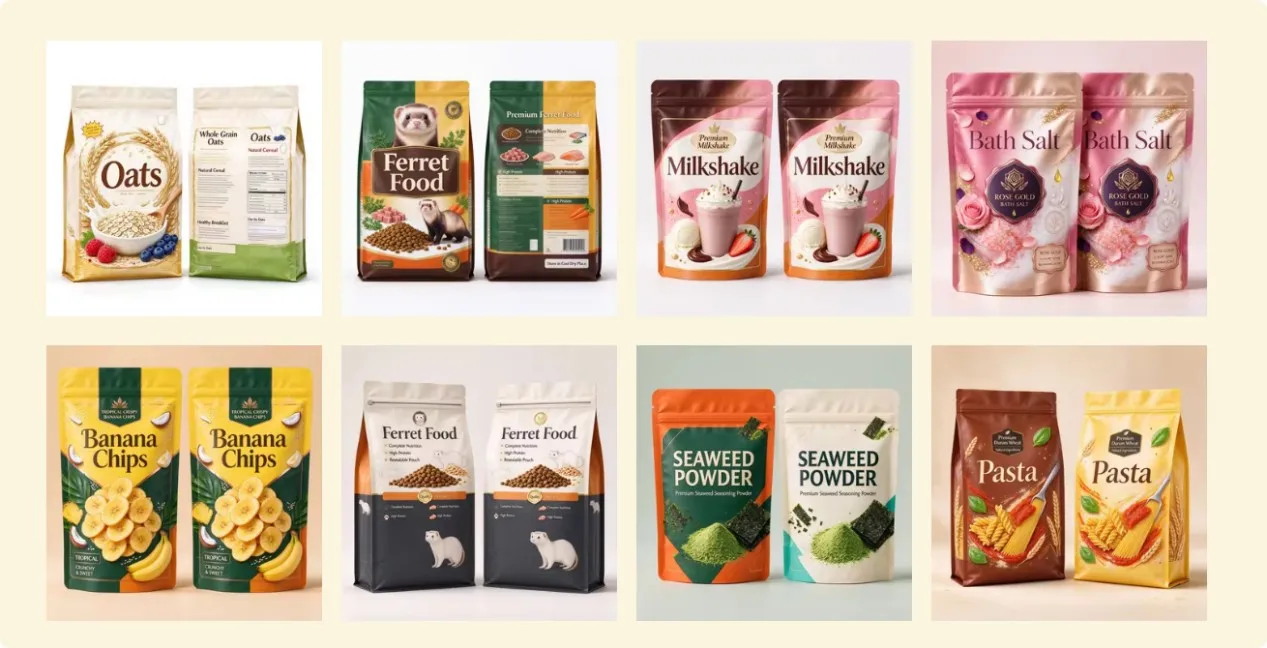
2. What Types of Digital Printing Ink Are Used for Food Packaging?
Choosing the correct digital printing food packaging ink is essential for product safety, print quality, and production efficiency. Different printing technologies require different ink formulations.
Water-Based Digital Printing Ink
Water-based ink uses water as a major carrier. It is often selected for applications where reducing solvent emissions is important.
Advantages include lower solvent use, suitable printing performance on compatible substrates, and potentially easier odor management.
However, water-based ink is not automatically food-safe. Its pigments, additives, impurities, and migration characteristics must still be evaluated.
UV-Curable Digital Printing Ink
UV-curable ink uses ultraviolet light to cure the printed layer. It provides fast curing, good color reproduction, and efficient production.
It is suitable for selected packaging applications, but incomplete curing and residual photoinitiators may create migration concerns. Buyers should confirm that the ink formulation and curing process are suitable for the intended food packaging application.
Solvent-Based Digital Printing Ink
Solvent-based ink uses organic solvents to carry pigments and other components. It can provide good adhesion and printing performance on compatible flexible films.
For food packaging, manufacturers must carefully control drying conditions, residual solvents, and potential migration.
Low-Migration Digital Printing Ink
Low-migration ink is formulated to reduce the potential transfer of substances from printed packaging into food.
It is particularly relevant for coffee bags, snack pouches, confectionery packaging, and multilayer flexible packaging.
Nevertheless, low-migration ink is not a universal food safety certification. The finished packaging structure must still be evaluated for its intended use.
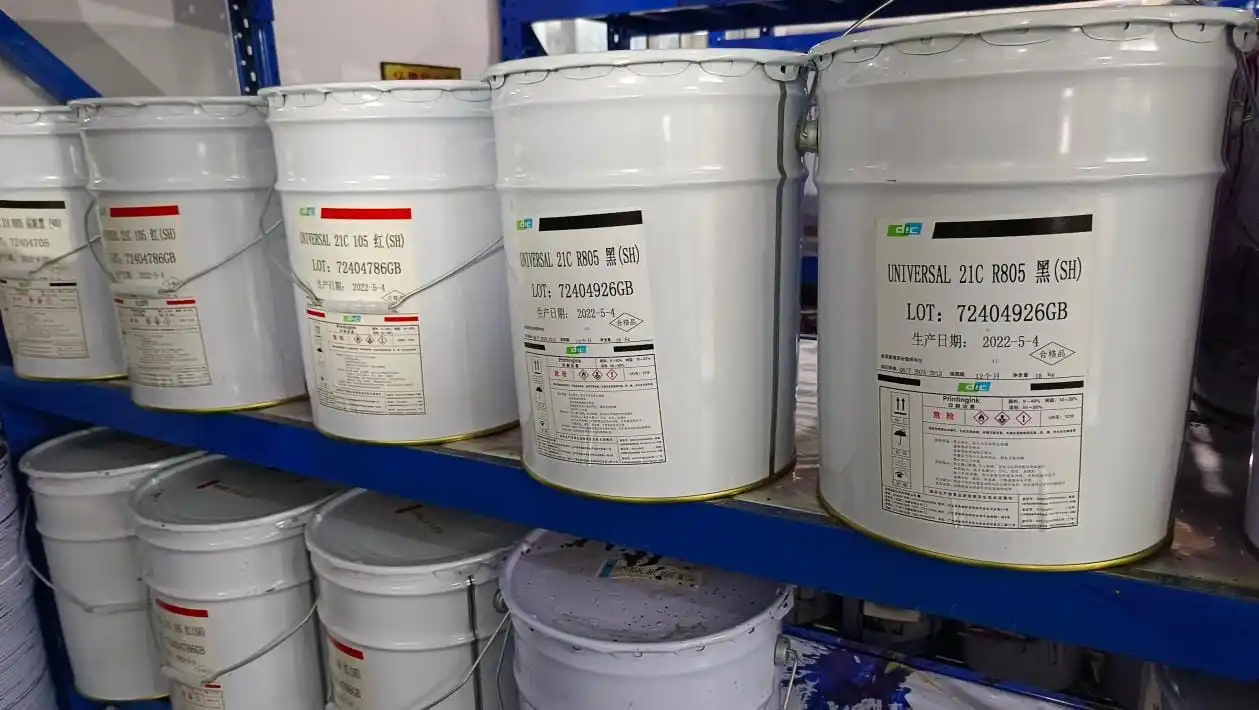
3. What Does Low-Migration Ink Mean in Food Packaging?
Low-migration ink is an important consideration for food packaging buyers because even small quantities of certain chemical substances may affect food safety, taste, or odor.
Migration risk depends on several factors:
- Ink formulation and chemical composition.
- Printing coverage and dry ink thickness.
- Packaging substrate and barrier properties.
- Drying and curing conditions.
- Food type, temperature, and storage duration.
- Contact between printed surfaces and food-contact layers.
For example, coffee packaging requires particular attention to aroma preservation. Coffee can absorb unwanted odors, so packaging manufacturers should consider both migration safety and sensory performance.
A suitable barrier structure can help reduce the movement of unwanted substances and protect product quality.
When sourcing custom printed food bags, buyers should request ink technical data sheets, safety data sheets, and relevant migration assessment documents.
A reliable digital printing packaging manufacturer should be able to explain how its ink system and packaging structure are selected for the customer's application.
4. Does Digital Printing Food Packaging Meet FDA and EU Requirements?
Food contact regulations depend on the destination market. Manufacturers and importers should verify the applicable requirements before purchasing printed food packaging.
FDA Requirements in the United States
In the United States, the FDA regulates food contact substances under applicable food additive provisions.
Substances that are reasonably expected to migrate into food generally require an applicable regulatory basis, such as an effective Food Contact Notification (FCN), an applicable regulation, or another recognized exemption.
There is no simple universal FDA approval that automatically covers every printing ink and finished food package.
Buyers should request supporting documentation and confirm that the materials are suitable for the intended food type and conditions of use.
Official reference: Food Packaging & Other Substances that Come in Contact with Food
EU Food Contact Regulations
For the European market, two important regulations are:
- Regulation (EC) No 1935/2004: Establishes general safety requirements for materials and articles intended to contact food.
- Regulation (EC) No 2023/2006: Establishes Good Manufacturing Practice requirements.
The finished packaging must not transfer substances into food at levels that could endanger human health or cause unacceptable changes in food composition, taste, or odor.
The EU does not currently have one fully harmonized specific regulation covering all printing inks used for food contact materials. Industry guidance, national requirements, and risk assessments are also important.
Official reference: Legislation - Food Safety - European Commission
What Documents Should Buyers Request?
When evaluating a food packaging supplier, B2B buyers should request:
- Ink Technical Data Sheet (TDS).
- Safety Data Sheet (SDS).
- Food contact compliance statements, where applicable.
- Migration test reports for the relevant packaging structure.
- Packaging material specifications.
- Relevant quality control and manufacturing records.
These documents help buyers evaluate whether the selected materials and printing process are suitable for their products and target markets.
5. Is Digital Printing Better Than Traditional Gravure Printing?
Digital printing and gravure printing are both widely used in the packaging industry. The right technology depends mainly on order quantity, design complexity, and total production costs.
For example, a coffee brand launching six different flavors may prefer digital printing because each design can be produced without preparing separate gravure cylinders.
However, a food manufacturer ordering hundreds of thousands of identical bags may find gravure printing more cost-effective.
A professional custom food packaging manufacturer should compare the total project cost, including setup, printing, materials, finishing, and transportation.
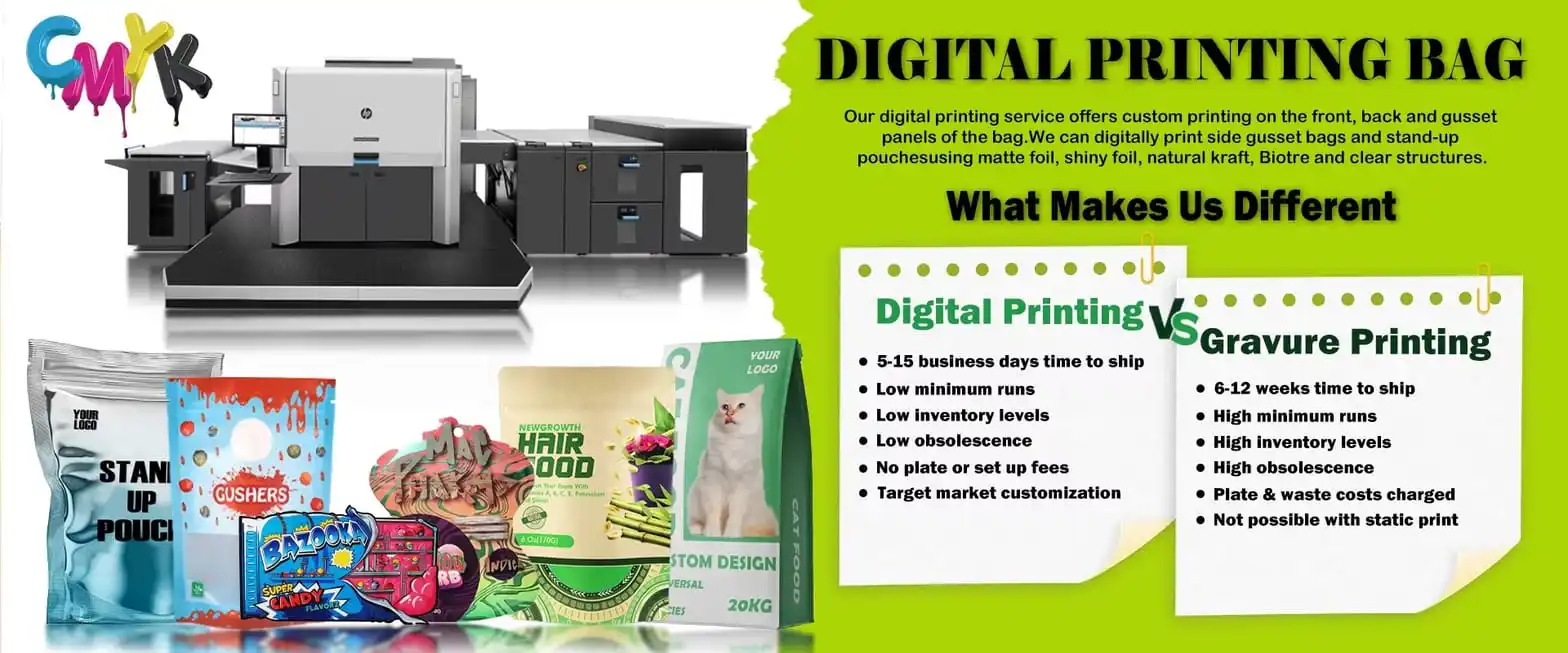
6. What Factors Affect the Cost of Digital Printed Food Packaging?
Although digital printing generally reduces setup costs, the final quotation depends on several production factors.
- Order Quantity: Larger orders may reduce the average cost per bag, depending on production efficiency.
- Packaging Size: Larger bags require more material and may increase printing costs.
- Material Structure: PET, PE, VMPET, and aluminum foil have different costs and barrier properties.
- Printing Coverage: Full-color designs and large printed areas may affect ink consumption and production costs.
- Bag Features: Zippers, tear notches, degassing valves, and special shapes can increase manufacturing costs.
- Finishing Requirements: Lamination, slitting, and pouch conversion are additional production processes.
When requesting a quotation from a digital printing food packaging supplier, buyers should provide the bag size, material structure, thickness, artwork, quantity, and required accessories.
Providing complete specifications helps manufacturers calculate accurate prices and recommend suitable solutions.
7. How to Choose a Reliable Digital Printing Food Packaging Manufacturer?
Selecting the right supplier is essential for packaging quality, food safety, and long-term cooperation.
Before placing a bulk order, consider the following:
- Printing Technology: Ask about the manufacturer's digital printing equipment, compatible substrates, and color reproduction capabilities.
- Ink Compliance: Confirm whether the selected digital printing food packaging ink has relevant technical documentation and migration assessment.
- Material Expertise: Check whether the supplier understands barrier films, lamination, heat sealing, and packaging performance.
- Quality Control: Ask about color consistency, print adhesion, sealing strength, and finished product inspection.
- Customization: Confirm whether the manufacturer can produce different sizes, pouch styles, and functional accessories.
- Production Capacity: Evaluate MOQ, sample availability, lead time, and the ability to handle repeat orders.
A reliable packaging supplier should provide clear technical information, transparent quotations, and practical recommendations instead of simply offering the lowest price.
8. Frequently Asked Questions About Digital Printing Food Packaging Ink
Q1: Is digital printing ink toxic?
Not necessarily. Ink safety depends on its formulation, intended application, curing or drying process, and potential migration. Food packaging applications require appropriate evaluation.
Q2: Can digital printing be used for coffee packaging?
Yes. Digital printing is suitable for customized coffee bags, including stand-up pouches, flat-bottom bags, and side-gusset bags. The packaging should also provide suitable aroma and moisture protection.
Q3: Is low-migration ink always required?
The appropriate ink depends on the packaging structure and intended food-contact conditions. Low-migration formulations are particularly relevant when potential migration must be carefully controlled.
Q4: Does food-grade ink guarantee food-safe packaging?
No. Ink is only one component of the packaging system. Substrates, adhesives, coatings, printing conditions, and the finished structure must also be considered.
Q5: Can digital printing handle multiple packaging designs?
Yes. Digital printing is especially suitable for multiple SKUs because artwork can be changed without preparing traditional printing cylinders for every design.
Q6: Is digital printing suitable for wholesale orders?
Yes, depending on production volume and equipment capacity. For very large orders with identical designs, gravure printing may offer a lower unit cost.
Q7: How can I verify a supplier's food packaging compliance?
Request relevant technical documents, material specifications, compliance statements, and migration test reports. Confirm that the documentation matches the actual packaging structure and intended application.
9. Get a Quote for Digital Printed Food Packaging
Choosing the right digital printing technology, ink system, and packaging structure is essential for developing safe and attractive food packaging.
Whether you are a coffee roaster, food manufacturer, packaging distributor, or private-label brand owner, working with an experienced packaging supplier can help you control costs and improve product presentation.
When contacting a manufacturer, prepare your artwork, bag dimensions, material requirements, target market, and estimated order quantity.
LepuPouch can help evaluate your packaging specifications and recommend suitable printing and material options for your project.
Looking for a reliable digital printing food packaging manufacturer?
Contact LepuPouch today to discuss your requirements and receive a customized quotation for your next packaging order.