

Flexible Packaging vs Rigid Packaging: Which Is Better for Your Product?
Walk through any packaging development meeting, and the flexible-versus-rigid debate almost always surfaces. It is rarely a simple choice. Both formats protect products, communicate brand identity and influence the customer's unboxing experience. But over the past decade, supply chain efficiency and consumer convenience often surprises brands making this decision for the first time.
Global data supports the shifting landscape. The flexible packaging market reached approximately $250 billion in 2023 and is growing at over 4% annually, while rigid packaging growth has remained closer to 2–3% in many categories. Yet rigid still dominates beverages, premium cosmetics and products requiring extreme physical protection. The decision, therefore, hinges on the product itself.

Weight and logistics: the hidden cost driver
A single 500 ml rigid PET bottle weighs around 24–30 grams. A stand-up pouch capable of holding the same volume of liquid – fitted with a spout and cap – weighs roughly 8–12 grams. When multiplied across a container load of 50,000 units, that difference amounts to over 800 kg of additional weight. For a brand shipping from Asia to Europe, that weight penalty translates directly into higher ocean freight, road distribution costs and carbon emissions.
Beyond weight, unfilled flexible packaging occupies dramatically less space. Stand-up pouches and roll stock ship flat. A single truckload of empty pouches can replace three to five truckloads of empty rigid containers. For companies warehousing packaging components, the space savings alone often justify the switch.

Shelf presence and branding flexibility
Rigid packaging, especially glass and shaped plastic, conveys a sense of permanence and quality that is difficult to replicate. A thick-walled glass jar on a cosmetic counter signals luxury. However, rigid containers limit printable surface area and often require separate labels, which add production steps.
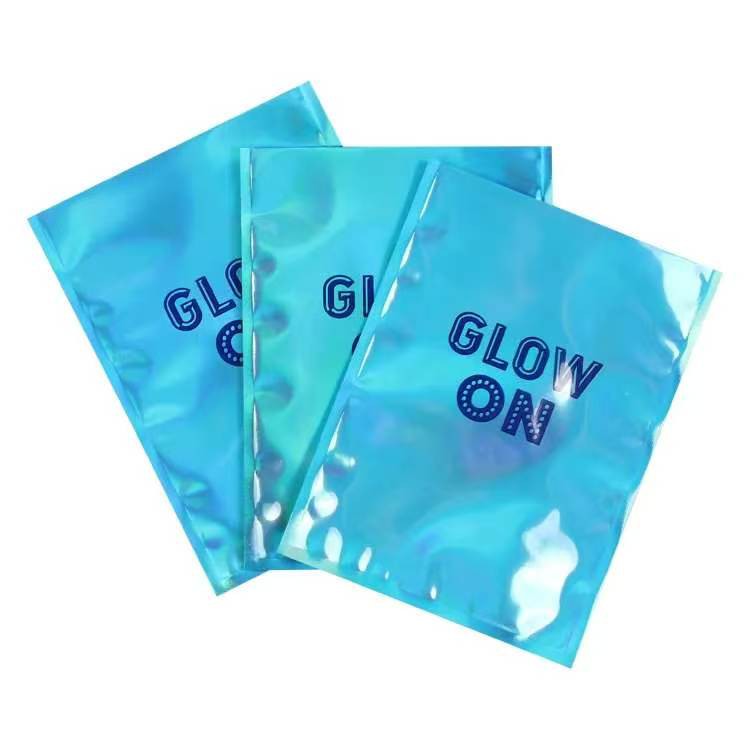
Flexible packaging, by contrast, turns the entire surface into a billboard. LePu's pre-press team regularly works with brands to utilise 360-degree printing on stand-up pouches and flat-bottom bags, incorporating matte varnish, spot gloss, and transparent windows. A 2023 retail eye-tracking study found that pouches with high-contrast full-surface graphics captured consumer attention 0.7 seconds faster than labelled rigid containers in the same category – a significant margin in split-second purchase decisions.
The takeaway is not that one format always looks better. It is that flexible packaging allows more design freedom per square centimetre of shelf space, while rigid packaging often relies on form and material tactility to differentiate.
Protection: matching the barrier to the threat
The most misunderstood aspect of packaging is barrier performance. Rigid packaging is often assumed to offer superior protection, but that is only true for certain stresses. An aluminium can provides near-zero oxygen and light transmission – ideal for carbonated drinks and oxygen-sensitive pharmaceuticals. A glass jar blocks moisture and oxygen effectively but is heavy, breakable, and lets light through unless tinted.
Flexible packaging is engineered in layers. By combining PET, aluminium foil, EVOH, or metallised films, a flexible pouch can achieve oxygen transmission rates below 0.5 cc/m²/day and moisture vapour transmission under 0.3 g/m²/day – matching or exceeding many rigid formats.
The real question is: what is the product actually sensitive to? Crushable items like biscuits and delicate pastries benefit from the physical strength of rigid trays or boxes. Moisture-sensitive powders and fatty snacks often perform better in high-barrier flexible laminates, where the headspace can be flushed with nitrogen and the package collapses around the product as it is used, minimising air ingress.

Consumer convenience and usage patterns
How consumers interact with a package after the first opening increasingly determines brand loyalty.Flexible pouches with press-to-close zippers or slider closures address this directly. For powdered drink mixes, a stand-up pouch with a corner spout and resealable zipper lets users pour precisely and store the remainder without transferring contents. A rigid canister with a snap-on lid can also achieve resealability, but often at a higher material cost and with more storage bulk.
That said, rigid containers still hold an advantage for products that are poured frequently throughout their life, such as milk, juice and cooking oil, where a stable base and a comfortable grip matter. The winner is whichever format best mirrors the user's natural routine.

Production, filling and total cost of ownership
A narrow focus on unit packaging cost often misses the bigger picture. A rigid pre-formed container typically costs more per unit than a flexible pouch, but it can be filled on simpler, lower-speed lines without the need for form-fill-seal machinery.
Flexible packaging, especially when supplied as roll stock, requires investment in vertical or horizontal form-fill-seal equipment but delivers higher throughput and lower per-unit material costs at scale.
LePu's experience with mid-sized food producers shows that the crossover point often sits around 300,000 to 500,000 units per year. Below that volume, pre-made rigid containers can be more economical once machinery investment is considered. Above that threshold, flexible roll stock tends to lower total packaging costs by 20–30%, factoring in material, transport and storage.

Making the right choice
No packaging format is universally superior. LePu's approach is to evaluate four factors for each project:
- Product sensitivity: moisture, oxygen, light, physical fragility
- Distribution environment: distance, handling, climate, shelf duration
- Consumer usage: single serve or multiple uses, at-home or on-the-go
- Brand positioning: premium cues versus everyday convenience
For a premium organic nut brand, the answer was a flat-bottom pouch with a transparent window, high-barrier laminate and a resealable zipper – reducing packaging weight by 45% versus the previous rigid canister while maintaining a nine-month shelf life. For a carbonated energy drink, rigid aluminium cans remained the superior choice due to pressure retention and recycling infrastructure.
The brands that get packaging right treat it as a strategic asset, not an afterthought. Flexible packaging continues to gain ground because it aligns with the forces shaping modern commerce: lighter logistics, customised branding, consumer convenience and sustainability pressures. But the best package is always the one that protects the product, fits the supply chain and delights the user.
