

Major global sporting events like the FIFA World Cup do not only drive traffic and sales growth. They create unpredictable consumer mood swings that reshape real-market demand. We witnessed this firsthand while supporting an overseas coffee client during the recent tournament. The brand reported a noticeable drop in retail orders, directly tied to its national team's early elimination. Local fans lost consumer confidence and reduced discretionary spending, which quietly dragged down sales of daily consumer goods, including specialty coffee.
Sports results are never the sole driver of sales performance, but this case reveals a common industry truth: event-driven consumption is extremely volatile. When teams advance, fans actively buy snacks, beverages, and limited-edition goods for viewing parties. When hype fades quickly, themed products lose market appeal overnight. Most FMCG brands focus heavily on event marketing and seasonal campaigns, yet many overlook a fundamental problem: their rigid packaging supply chains cannot keep up with fast-shifting demand. For food, beverage, coffee, and pet food brands, packaging flexibility has become a core operational capability to stabilize seasonal sales and avoid unnecessary losses.
Structural Flaws in Traditional Packaging Supply Chains
Most seasonal sales failures stem from outdated packaging production models, which create three unavoidable pain points for consumer brands.
-
High MOQs Block Seasonal and Limited Launches
Event-themed packaging, regional limited editions, and new seasonal flavors are proven ways to boost market exposure and product premium. However, traditional offset printing relies on plate making and mass production, requiring extremely high minimum order quantities.
Small and mid-sized brands cannot afford to test new designs with large-batch orders, forcing them to skip trending seasonal opportunities. Larger enterprises face another dilemma: overproducing custom packaging for short-cycle campaigns. Once the tournament ends or consumer preferences change, leftover customized packaging becomes dead inventory. It occupies warehouse space, locks up cash flow, and cannot be repurposed for regular product lines.
Digital printing solves this industry bottleneck. It eliminates plate-making costs and strict batch limits, enabling low-volume custom printing. Brands can now launch World Cup-themed, holiday, and regional exclusive products with small-batch trials, verifying market response before scaling production.
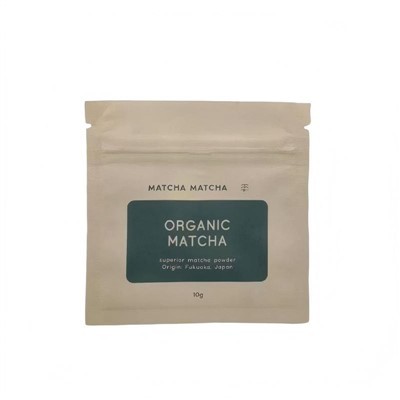
LepuPouch Digital printing Products


- Long Lead Times Miss Peak Selling Windows
Event business follows a clear time-bound rule: sales hype only lasts for days or weeks. Viral viewing trends, unexpected team performances, and last-minute retail promotions all require instant product iteration.
Unfortunately, traditional packaging production involves repetitive plate confirmation, sample verification, and batch scheduling, with lead times stretching 8 to 12 weeks. For short-term tournament marketing, this timeline is functionally out of sync with market rhythm. By the time customized packaging is delivered, consumer attention has shifted, and the best sales window is permanently closed. This is why many well-planned seasonal campaigns end up with low conversion rates despite sufficient marketing investment.
Agile flexible packaging production shortens the entire customization cycle. Brands can iterate packaging designs and complete shelf replacement quickly, matching the fast pace of event-driven marketing.
-
Inaccurate Demand Forecasting Causes Severe Inventory Waste
No brand can precisely predict event-related sales. A single match result can reverse regional consumption sentiment entirely. Overestimating demand leads to massive redundant packaging inventory; underestimation results in shelf vacancies and lost traffic revenue.
This industry pain point exists year-round, not just during the World Cup. Holiday promotions, regional festivals, and viral product trends all create the same inventory risks. The optimal solution is not endless forecasting optimization, but a flexible packaging supply chain that supports split ordering, real-time quantity adjustment, and low-cost design replacement.
How Modern Flexible Packaging Improves Brand Agility
Flexible packaging adds value beyond product packaging itself. It optimizes brand launch strategies, supply chain costs, and terminal sales performance, perfectly adapting to today's volatile FMCG market.
-
Digital Printed Packaging Enables Low-Risk Innovation
Digital printing removes the threshold barrier for multi-design and small-batch customization. Brands can launch multiple visual versions for the same product, conduct regional A/B tests, and roll out limited seasonal SKUs without heavy upfront investment.
For new product development teams, this means controllable trial-and-error costs. Underperforming designs can be terminated in time, while popular styles can be replenished rapidly to capture continuous traffic. This model is especially suitable for seasonal iterations, flavor upgrades, and market trend testing.
-
Stand Up Pouches and Flat Bottom Bags Optimize Terminal Sales
Shelf display directly determines in-store conversion. Stand up pouches feature an independent vertical structure that maximizes branding display area, ensuring products stand out among dense competing goods during peak promotional seasons. Flat bottom bags further enhance overall stability and premium texture, suitable for high-end limited-edition releases.
Beyond display advantages, resealable flexible packaging effectively extends product shelf life, improves consumer usability, and indirectly boosts repurchase rates. Its neat stacking structure also optimizes warehouse storage and retail arrangement efficiency.


-
Lightweight Flexible Packaging Reduces Full-Cycle Costs
Compared with rigid containers such as glass, metal, and hard cartons, flexible pouches are ultra-lightweight and space-saving. They significantly reduce single-unit transportation costs and lower overall logistics carbon emissions, aligning with mainstream sustainable development demands.
Empty flexible packaging occupies minimal warehouse space, helping brands compress safety stock pressure and cut long-term storage expenses. The saved operational costs can be reinvested in product iteration and market promotion, forming a positive business cycle.
Targeted Flexible Packaging Solutions for Mainstream FMCG Categories
Different consumer segments have distinct seasonal iteration rhythms, and flexible packaging delivers targeted operational advantages for each industry.
-
Coffee Brands
Coffee brands frequently launch tournament-themed blends, seasonal limited roasts, and gift sets to match festive consumption scenarios. These short-cycle customized products require professional functional packaging, including valve coffee bags that retain bean freshness and aroma. With low-MOQ digital printing, coffee brands can customize exclusive event packaging for small-batch promotions, avoiding overstocking while fully matching marketing timelines.

-
Snack Brands
Snack consumption fluctuates most drastically during sports events. Watch-party demands drive explosive short-term sales, while post-event heat decay leads to rapid market cooling. Colorful, highly recognizable custom food pouches help snack brands enhance shelf competitiveness during peak periods. Flexible order quantities support multi-flavor and multi-style tests, enabling rapid replenishment of bestsellers and effectively preventing obsolete packaging waste after campaign completion.

-
Tea Brands
Seasonal festivals and global events are key windows for tea brand gift box launches and new flavor promotions. Custom flexible tea packaging balances visual premiumness and practical barrier protection, isolating moisture and light to stabilize product quality. Its lightweight and foldable features also reduce damage rates in cross-regional logistics, adapting to offline retail and online gift-giving sales models.

-
Pet Food Brands
Pet consumption follows human festive trends, with more owners willing to buy seasonal limited treats and specialty pet food during large events. Durable, resealable pet food bags maintain product crispness and freshness for long-term storage. Small-batch customized production allows pet food brands to launch festive limited editions at low risk, enriching product lines without bearing excessive inventory pressure.

Conclusion
The World Cup is a typical example of seasonal demand volatility, but all FMCG brands face similar challenges throughout the year. Market forecasting can never be 100% accurate; the core competitiveness of modern consumer brands lies in supply chain adaptability.
Flexible packaging solutions help brands resolve the contradiction between trending marketing and inventory risks, achieving fast iteration, low-cost trials, and full-cycle cost control. As a professional provider of custom printed flexible packaging, LepuPouch focuses on low-MOQ customization, fast production cycles, and category-specific packaging solutions covering coffee, snack, tea, and pet food industries. By optimizing packaging supply chains, brands can steadily capture seasonal traffic and convert short-term event hype into long-term market growth.