

Tea packaging does more than improve shelf appeal. It also needs to protect the tea, reduce aroma loss, resist moisture and match consumers' opening and storage habits.
For this reason, many tea brands compare paper tea pouches vs laminated tea bags when developing new packaging or replacing an existing format. Paper-look tea pouches offer a natural tactile feel and strong shelf appeal, while laminated structures generally provide stronger protection against moisture, oxygen, light and aroma loss.
The most suitable option depends on the tea type, target shelf life, shipping conditions, brand positioning and budget. Below, we compare the two packaging options in terms of aroma protection, moisture resistance, printing and cost, and explain how sampling can help brands select the right tea pouch structure.
Paper Tea Pouches vs Laminated Tea Bags: Quick Comparison
|
Comparison Factor |
Paper Tea Pouches |
Laminated Tea Bags |
|
Aroma protection |
Plain paper has limited barrier performance. The OTR of uncoated paper can reach several million cm³/m²·day, allowing aroma and oxygen to migrate more easily through the material. |
High-barrier laminated structures can significantly reduce oxygen and aroma transmission. PET/AL/PE aluminum foil laminates can achieve an OTR below 0.5 cm³/m²·day, making them more suitable for highly aromatic teas and long-term storage. |
|
Moisture resistance |
Plain paper has relatively high moisture absorption. The WVTR of uncoated paper can reach 300–400+ g/m²·day; barrier coatings such as PLA or PE can improve performance considerably. |
Multilayer structures have a much lower water vapor transmission rate. Aluminum foil laminates can achieve a WVTR below 0.1 g/m²·day, making them more suitable for humid environments, long-distance shipping and longer shelf life. |
|
Light protection |
Kraft paper or white paperboard provides some light protection but is not completely opaque; performance depends on paper weight and the overall structure. |
An aluminum foil layer provides near-total light protection and helps reduce the effects of UV and visible light on tea color, aroma and components. |
|
Printing and appearance |
Well suited to natural, eco-style, kraft-paper and premium paper-touch effects; commonly produced with 1–4 colors or high-quality flexographic/gravure printing. |
Supports 8–10-color high-definition gravure printing, matte, glossy, soft-touch and metallic effects, making it suitable for premium custom branding. |
|
Resealing |
Zippers, tin ties or heat seals can be added depending on the pouch format; some paper pouches require a clip for repeated opening and closing. |
Commonly available with press-to-close zippers, slider zippers, heat seals and tear notches, allowing the package to be resealed after opening. |
|
Mechanical strength |
Paper provides good stiffness, but folding, tearing and moisture exposure can affect its strength. |
Multilayer structures such as PET/PE and PET/AL/PE combine different materials to improve tensile strength, puncture resistance and heat-sealing performance. |
Which Packaging Better Protects Tea Aroma?
For applications with demanding protection requirements, a well-designed laminated tea bag is generally more reliable than plain paper packaging.
The volatile compounds in tea directly influence how the tea smells and tastes. Oxygen, moisture, light and odors from the surrounding environment can gradually affect tea quality. A suitable laminated structure provides a more effective barrier and, together with a reliable heat seal, helps reduce aroma loss during storage and transportation.
For green tea, flower tea, fruit tea, matcha and strongly aromatic herbal tea, the inner barrier material, total packaging thickness, closure type and heat-sealing quality all affect the final result. The material structure should therefore be selected according to the tea type, filling weight, target shelf life and shipping route.
Moisture Resistance: Paper Structures vs Laminated Structures
Moisture is one of the most common risks in tea packaging. In warm and humid environments, humidity can affect the texture, freshness and aroma of tea.
Compared with packaging that includes a dedicated barrier layer, ordinary paper is naturally more vulnerable to moisture. In practice, tea pouches are usually not made from paper alone; they often consist of an outer layer, a barrier layer and an inner heat-sealing layer. Examples include:
- Kraft paper / PE: Kraft paper provides a natural paper appearance, while the PE inner layer provides heat sealing and basic moisture resistance. This structure is suitable for short-term storage, dry environments or tea products with moderate barrier requirements.
- Kraft paper / VMPET / PE: VMPET (metallized PET) serves as the middle layer to improve moisture resistance, light protection and some oxygen-barrier performance. PE provides heat sealing. This structure is suitable for flower tea, fruit tea and export tea that require better freshness protection.
- Kraft paper / aluminum foil / PE: Aluminum foil provides a higher level of moisture, oxygen and light protection, while PE acts as the inner heat-sealing layer. This structure is suitable for highly aromatic, environmentally sensitive teas or products requiring a longer shelf life.
Therefore, whether a paper tea pouch is suitable cannot be judged only by whether its outermost layer is paper. Brands should evaluate the complete material structure, layer thickness, closure method and target shipping environment. Different structures also vary in barrier performance, appearance, cost and end-of-life or recycling considerations.
Laminated tea bags improve moisture resistance through the combination of different material layers, helping protect the tea during storage and transportation. This can be an important reason for export brands or tea brands selling in high-humidity markets to choose a laminated structure.
Printing Effects and Shelf Appeal
Paper tea pouches are suitable for tea brands seeking a natural, kraft-paper or handcrafted visual identity. A restrained design combined with a textured paper surface can communicate an organic, natural or premium brand story.
Laminated tea bags generally offer greater flexibility in surface design. Depending on the selected materials and printing methods, brands can choose:
- Matte or glossy surfaces;
- Soft-touch film;
- High-definition digital printing;
- Gravure printing for larger production runs;
- Hot stamping, foil stamping and spot effects;
- Custom pouch shapes, sizes and closure options.
For tea brands with multiple flavors or seasonal collections, custom-printed laminated pouches can maintain color consistency across SKUs and provide a larger branding area. If a brand wants to retain a natural visual style, kraft-paper effects or paper-touch surface treatments can also be used.
Which Packaging Is More Cost-Effective?
There is no universal answer as to whether paper tea pouches or laminated tea bags cost less. The final price is affected by the material structure, pouch size, order quantity, printing method, surface treatment, accessories and production requirements.
When comparing quotations, tea brands should also consider the target shelf life, shipping conditions, the tea's sensitivity to moisture and oxygen, filling equipment, minimum order quantity, printing requirements and the cost of replacing the packaging later.
Sampling is often an effective way to make a reliable decision. LepuPouch can prepare samples with different material structures or pouch formats, allowing brands to compare appearance, printing, sealing performance and filling compatibility before placing a larger order.
Which Pouch Format Should Tea Brands Choose?
The right pouch format depends on the product characteristics and sales channel:
- Stand-up pouches: Provide strong shelf visibility and can be fitted with zippers, tear notches or heat seals. Suitable for fruit tea, herbal tea, flower tea, tea powder and loose-leaf tea.
- Flat-bottom bags: Offer a stable base and a more structured shelf presentation, suitable for products that need a larger printable area or a more substantial appearance.
- Side-gusset bags: Provide larger capacity and multiple branding panels, making them suitable for loose-leaf tea, wholesalers and exporters.
Flat pouches and three-side-seal bags: Suitable for samples, small pack sizes and products that prioritize storage and shipping efficiency.
Customized Tea Packaging Solutions from LepuPouch
LepuPouch provides custom tea packaging for tea brands, private-label suppliers, wholesalers and exporters. Our tea packaging range includes Fruit Tea Pouches, Customized Tea Packaging Pouches, Custom Printed Tea Pouches and Eco-Friendly Tea Packaging.
LepuPouch Product
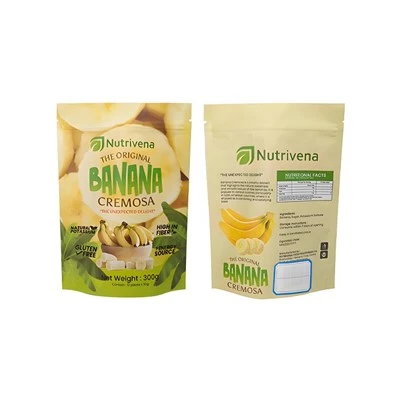


Depending on the product and application, material options such as PET, MOPP, BOPP, VMPET, aluminum foil, PA and PE can be evaluated to match different aroma, moisture, light and sealing requirements.
Customization options include:
- Stand-up, flat-bottom, side-gusset and three-side-seal formats;
- Custom capacities and dimensions;
- Digital, gravure, offset, flexographic or screen printing;
- Matte, glossy and soft-touch surfaces;
- Zippers, tin ties, tear notches and heat seals;
- Food-contact material solutions for specific projects.
How to Start Your Tea Pouch Sampling Project
Before requesting samples, prepare the following information:
1. Tea type, such as green tea, black tea, flower tea, fruit tea or herbal tea;
2. Net weight and target pouch dimensions;
3. Target shelf life;
4. Sales market and shipping conditions;
5. Aroma, moisture and light protection requirements;
6. Preferred pouch format and closure method;
7. Printing artwork or brand design direction;
8. Estimated sample quantity and production quantity.
LepuPouch can help brands compare paper-look structures, recyclable plastic structures or higher-barrier laminated structures according to their requirements. During sampling, brands can verify pouch appearance, print quality, sealing performance and filling compatibility.